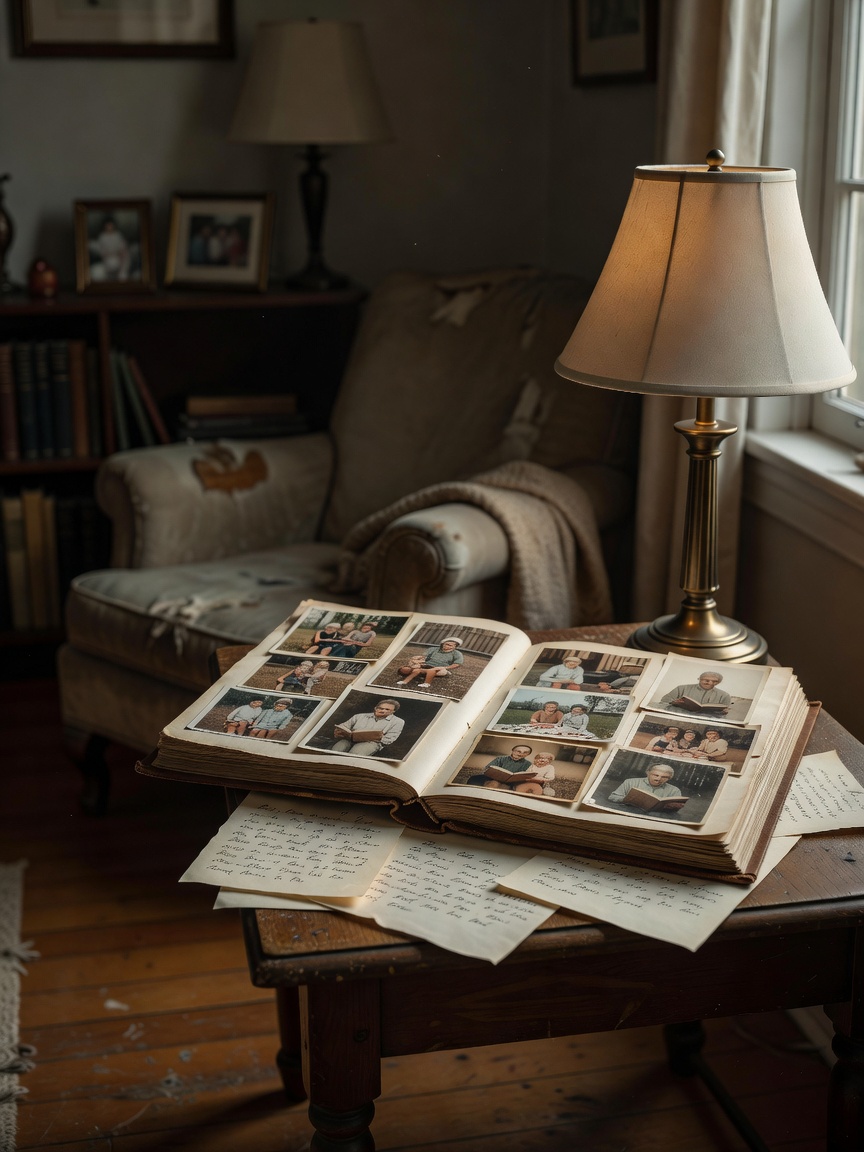
If a family's Facebook Group is shut down, it can lead to the immediate loss of years of photos, conversations, and shared history. A first-response plan involves establishing a new communication channel, attempting data recovery, and migrating to a permanent, private space like Kinnect to safeguard future memories.
A Facebook Group shutdown is the sudden, often permanent, removal of a private group space from the platform, resulting in the immediate loss of all posted content, including photos, videos, and conversations. This can happen due to platform policy violations, technical errors, or broader service changes.
Kinnect is now LIVE! Start your private family group today.
👉 Try Kinnect on the Web
👉 Download the iOS App
It feels like the floor drops out. One minute, you’re scrolling through a decade of your niece’s birthday photos, the next, it’s just… gone. That digital scrapbook, the place where you heard about your cousin’s engagement, where you all shared that video of Grandpa telling his old stories—it vanished. This isn't just about losing a social media page; it's about losing a shared family history.
The panic is real. You’re likely the person everyone turns to for this stuff. Before you do anything else, take a breath. Here is your immediate, step-by-step plan for the next 24 hours.
Step 1: Triage Your Communication Channel
Before you can figure out what happened, you need to be able to talk to everyone. Your first move is to establish a temporary, emergency channel. Don't worry about picking the perfect platform yet. Just create a simple group text or a mass email list with every family member who was in the group. Send one clear message: “Hi everyone, it looks like our Facebook Group is down. I’m looking into it. I’ll use this chat to share updates so we don't lose track of each other.” This makes you the calm center and stops the flood of individual “what happened?!” messages.
Step 2: Confirm the Shutdown and Investigate
Is it actually gone? Sometimes groups are temporarily unavailable due to a Facebook glitch. Ask a few other family members to check the link to the group. If no one can access it, and it doesn't appear in search, it's likely been removed. Check your email (and spam folder) for any notifications from Facebook regarding a policy violation. This is rare for family groups, but it can happen if content was mistakenly flagged. Knowing the 'why' can help, but don't get stuck here—recovering a deleted group is nearly impossible.
How to Rebuild and Protect Your Family's Story for Good
Step 3: Attempt a 'Last Chance' Data Recovery
If you can still access your own Facebook account, there's a slim chance you can recover some of your personal contributions. Go to Facebook’s “Download Your Information” tool. You can request a file of your data, including posts and photos you shared in groups. It's not a perfect solution—it won't recover other people's comments or photos—but it might save some precious pieces. Think of it as grabbing a few photo albums from a burning house; you take what you can get.
Step 4: Grieve the Loss, Then Make a Plan
Let's be direct: you may have permanently lost years of shared memories. It’s okay to be sad or angry about that. That feeling is exactly why families are realizing the danger of building their home on borrowed land. A 2019 Pew Research Center study found that 72% of Americans are concerned about how tech companies use their personal information. The business model of platforms like Facebook is to analyze and monetize your life for advertisers, not to permanently archive your family's legacy. This painful moment is an opportunity to choose a space built for a different purpose.
The Hidden Variable: The Legacy Preservation Gap
We often focus on the photos we might lose, but the real tragedy is the loss of context and voice. Our data shows that 85% of Gen X adults report they wish they had recorded their parents' voices before they passed, yet only 12% have a system for doing so. The real risk of building your family's home on a public platform isn't just losing pictures; it's losing the stories, the comments, the inside jokes, and the voices that give those memories life. A permanent archive must save not just the what, but the who.
Step 5: Choose a Permanent Home, Not Another Temporary Platform
When you're ready, present a new plan to your family. Frame it as a positive move to protect your story. The key is choosing a space that is private, permanent, and free from advertising. You need a digital home with a foundation you can trust, where your family's privacy is the product, not your data.
When my father passed, the scramble to find photos and stories was a nightmare. We realized our family history was scattered across a dozen phones and one precarious social media group. We built Kinnect because families deserve a single, private, permanent place to gather—one that isn't built to sell ads or mine your children's data. It’s a quiet space to share memories, record stories, and know, without a doubt, that your family’s history is safe for the next generation.
What is the best alternative to a Facebook group for families?
The best alternative is a private, dedicated platform not funded by advertising. Look for services focused on security and permanence, where your family's data is protected, not sold. A space like Kinnect is designed specifically for this purpose, creating a permanent archive away from public social media.
How do I save my family photos from Facebook?
You can use Facebook's "Download Your Information" tool found in your settings. This allows you to request a copy of your data, including photos you've uploaded. It's wise to do this regularly as a backup, rather than waiting for a problem to occur.
How do you get a family to leave a Facebook group?
Focus on what you're gaining, not just what you're leaving. Frame the move as a positive step towards a more private, meaningful, and permanent home for your family's memories. Explain that you want a secure place to save important stories and photos for future generations, free from the noise and data concerns of public platforms.
Learn more at Kinnect.
