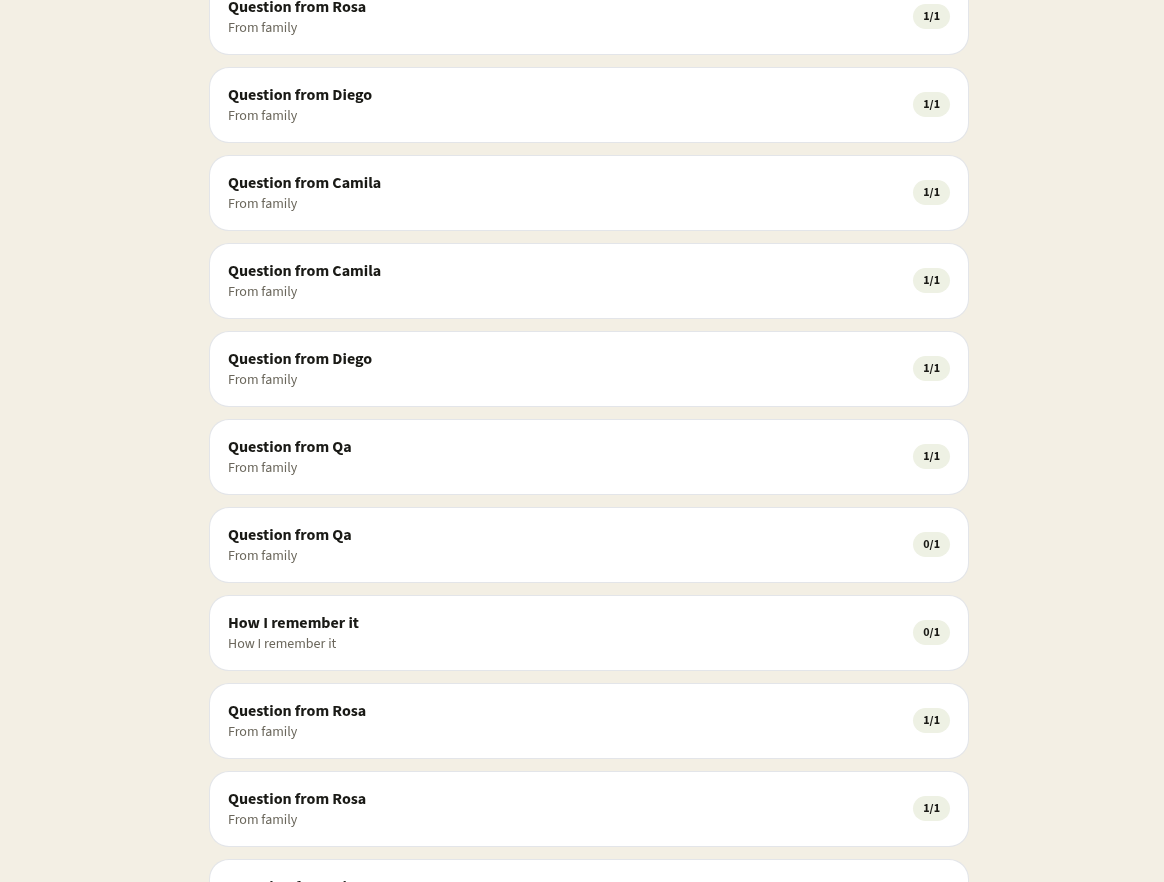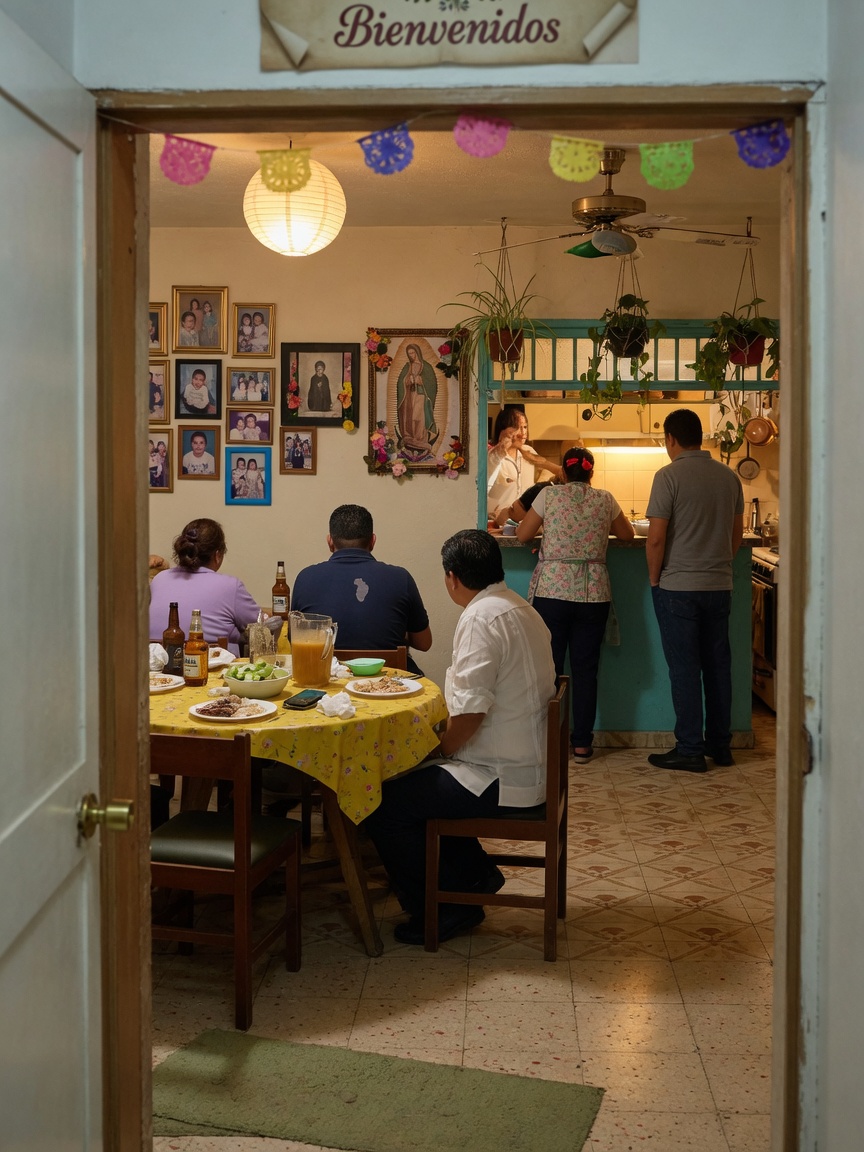
After finding an unknown family member, the next step is to collaboratively merge your family histories by sharing stories and resolving discrepancies. A private space like Kinnect allows families to build this shared history together, safely documenting stories and photos for future generations.
Kinnect is now LIVE! Start your private family group today.
👉 Try Kinnect on the Web
👉 Download the iOS App
When you find a family member not in your tree, focus on building a shared narrative. Gently exchange stories, photos, and records to understand their history, then work together to integrate their branch into a new, more complete family tree.
Finding an unknown family member in your genealogy research means discovering a relative, often through a DNA test or historical records, whose existence was previously unknown to you. The process that follows involves moving beyond the initial discovery to carefully and collaboratively merge their family history, stories, and records with your own.
I remember the day my grandfather passed. The biggest silence wasn't the empty chair at the dinner table; it was the stories that went with him. The ones I never thought to ask about. When you find a new relative through a DNA test or an old letter, it’s like a door opens to a room of stories you thought was lost forever. It’s an incredible, heart-stopping moment.
But it's rarely a simple reunion. It's the beginning of a delicate, beautiful, and sometimes complicated project: weaving two family histories into one. The public genealogy sites are great for names and dates, but they don't have a place for the messy, beautiful, human part. They don't have a place for the conflicting memories, the different versions of the same story, or the quiet work of building trust after a lifetime apart. This is about more than data; it’s about building a new 'us'.
Top 5 Steps to Merge Your Family Trees
Merging your family histories is a process of connection, not correction. It requires patience, empathy, and a safe space to share. Here’s how to begin.
- Start with Stories, Not Just Dates. Before you try to reconcile two different birth dates for a great-grandmother, just listen. Ask about their favorite memory of their parents. Ask what family traditions they grew up with. The human connection builds the foundation of trust you'll need to sort out the factual details later.
- Choose a Private, Collaborative Space. Public family tree websites can feel exposed and impersonal, and group texts get chaotic. You need a dedicated, private place where you can both upload photos, share documents, and tell stories without the noise of social media or the risk of your private history becoming public data.
- Acknowledge and Document Discrepancies. It's okay if your stories don't match perfectly. One side of the family might remember a person one way, while the other remembers them completely differently. Instead of trying to declare one version 'correct', document both. This honors everyone's experience and creates a richer, more honest family history.
- Introduce the Wider Family Slowly. This discovery affects more than just you and your new relative. Introduce them to other family members carefully and with their permission. A small, informal video call is often better than a surprise announcement at a large family gathering. Give everyone time to process the new reality.
- Create a New "Founding Document." This isn't a legal document, but a collaborative project. It could be a shared digital album, a recorded interview with an elder from their side of the family, or the beginning of a new, combined family tree built in a private space. This act of creating something new together solidifies your shared future.
Building Your New Shared History, Together
The goal isn't just to add a new branch to your tree; it's to make the whole tree stronger. This is your chance to build a new, more complete story for the generations that will follow you. This isn't just about record-keeping; it's about building a stronger family. Research from Emory University found that children with deep knowledge of their family history show up to 3x higher resilience and self-esteem scores. By weaving your stories together, you're giving a profound gift to the future.
This is also where we can bridge what our research calls the 'Legacy Preservation Gap.' We found that 85% of Gen X adults report they wish they had recorded their parents' voices before they passed, yet only 12% have a system for doing so. Imagine creating a new family archive with your newfound relative, recording both of your elders' stories—their laughter, their advice—before they're gone. You are not just recovering the past; you are preserving it for the future.
The public family tree sites are for data. The real story—the laughter, the inside jokes, the hard-won wisdom—needs a home. It needs a private, permanent space where your new, combined family can grow together. That’s why we built Kinnect. It’s a private family network designed for exactly this moment: a place to build your new family tree, share the stories behind the names, and record the voices of your loved ones for generations to come.
Your family's new chapter is waiting. Kinnect is now LIVE on the App Store and Web! Learn more about Kinnect and Download on the App Store to start building your shared legacy today.
How do I find a relative I've never met?
The most common method today is through consumer DNA tests from services like AncestryDNA or 23andMe, which connect you with genetic relatives. You can also use social media searches, public records databases, and genealogy websites to search for names and potential connections.
How can I find a lost relative for free?
You can start by using free resources like the FamilySearch.org website, which has a massive collection of genealogical records. Public libraries often provide free access to paid genealogy databases. Social media platforms can also be powerful tools for searching names and connecting with potential family members.
How can I find my biological family without any information?
A DNA test is the most powerful tool if you have very little starting information. It can identify biological relatives who have also taken a test, providing you with a crucial starting point. From there, you can work with your new matches to piece together your shared family tree.
How do I find my family tree if I don't know my father?
A DNA test can help identify relatives on your paternal side, even without knowing your father's name. By analyzing your DNA matches, you can often identify paternal cousins and work backwards with them to identify your shared ancestors, ultimately leading to your biological father's family line.