Fun family projects are collaborative activities designed to strengthen bonds and create shared memories. While many focus on crafts, the most impactful projects often involve preserving family history and stories, a process made simple and permanent on a private family network like Kinnect, which is built specifically for legacy.
Fun family projects are collaborative activities that engage multiple family members toward a common goal, designed to strengthen relationships and create lasting memories. These can range from simple crafts and DIY tasks to long-term endeavors like building a family tree or creating a shared digital archive.
Kinnect is now LIVE! Start your private family group today.
👉 Try Kinnect on the Web
👉 Download the iOS App
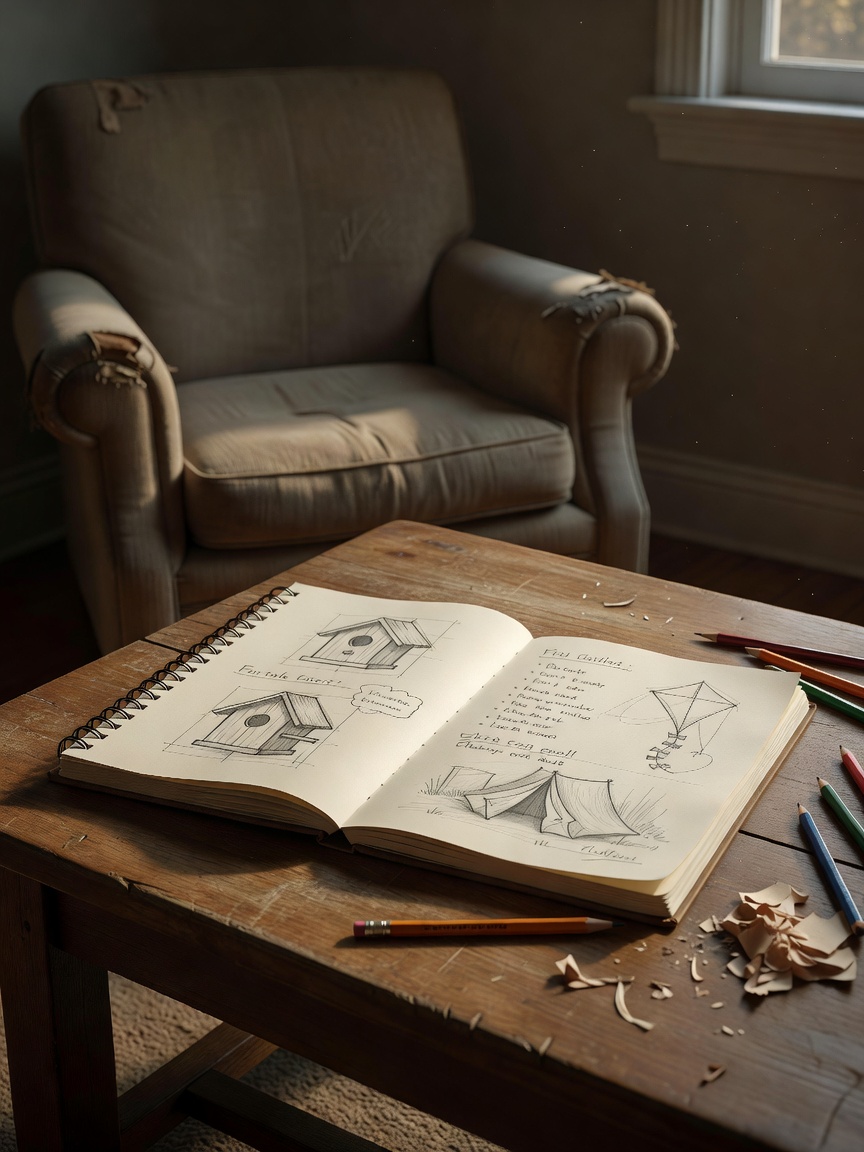
I remember the last 'project' I tried with my dad. It was building a birdhouse. We bought the kit, laid out the pieces, and within twenty minutes we were arguing about which screw went where. We finished it, but the silence afterward was heavier than before we started. The project wasn't the problem; the goal was. We were focused on the birdhouse, not on each other.
A true family project isn't about the finished product. It's about the shared space you create while making it. It’s about the stories that come out when your hands are busy, the unexpected laughter over a mistake, the quiet pride in finishing something together. It’s a tool for connection, not just a task to complete. Research backs this up: Families who share activities at least once a week show 36% stronger family cohesion scores (Source: Journal of Marriage and Family, 2002). The goal is to build a memory, not just a birdhouse.
From Cookbooks to Time Capsules: Projects for Every Family
Finding a project that everyone agrees on can feel impossible. The key is to shift the focus from a generic activity to one that celebrates your unique family identity. Here are 10 ideas that move beyond the 'lame' and create something truly meaningful.
- The Living History Project: Use your phone to record interviews with grandparents, aunts, and uncles. Ask them about their first job, their favorite childhood memory, or the best advice they ever received. This isn't just a project; it's your family's personal podcast.
- The Family Cookbook: Gather the legendary recipes from every branch of the family. Not just the ingredients, but the stories behind them. Who made it best? What holiday was it for? Scan the original handwritten recipe cards.
- The Ancestry Deep Dive: Go beyond a simple family tree. Assign each family member an ancestor to research and have them present their findings. You'll uncover stories and connections you never knew existed.
- Build a Backyard Oasis: Whether it's a small container garden on a balcony or a full fire pit area, creating a shared space outdoors gives you a place to connect for years to come.
- Create a "Family Film Festival": Dig up old home movies (VHS, anyone?) and digitize them. Host a premiere night with popcorn and watch your family's history unfold on screen.
- The "Chosen Family" Photo Archive: We all have people who are family by choice, not by blood. Create a dedicated project to gather photos and stories of these essential people, honoring their place in your lives.
- Map Your Family's Journey: Get a large world or country map and use pins and string to trace your family's migration over generations. Attach small photos or notes to each location.
- The 10-Year Time Capsule: Have each person contribute a letter to their future self, a current photo, and a small object that represents today. Bury it (or seal it) with a plan to open it together in a decade.
- Volunteer Together for a Cause: Find a local charity or cause that matters to your family and dedicate a day to volunteering. Working together for others is a powerful way to build unity.
- The Family Skill-Share: Dedicate one night a month where one family member teaches everyone else a skill—from baking bread to changing a tire to coding a simple game.
The Hidden Variable: The Legacy Preservation Gap
Most articles on this topic focus on the in-the-moment fun. But the most profound projects do more. Our research at Kinnect revealed a startling Legacy Preservation Gap: 85% of Gen X adults report they wish they had recorded their parents' voices before they passed, yet only 12% have a system for doing so. The most meaningful projects aren't just about the doing; they're about creating something that outlasts the moment, preserving the voices and stories that define you.
After you’ve recorded those interviews or scanned those recipes, where do they live? Platforms like Facebook or group texts aren't built for this. Their business model relies on public broadcasting and engagement, not permanent, private preservation. Your family’s most precious memories become content, lost in a sea of ads and algorithms.
This is why we built Kinnect. It’s a private, permanent home for your family’s story. A place to save those voice recordings, to store that digital cookbook, and to build that photo archive without worrying about data mining or public feeds. It’s a space designed for connection, not for clicks.
Why do most family project ideas fail?
Most projects fail because they're not truly collaborative. They are often one person's idea forced upon others, or the goal is too complex, leading to frustration. The best projects have a low barrier to entry and a role for every skill level and age.
How do you get teenagers involved in a family project?
Give them ownership and connect it to their skills. Put them in charge of the 'tech' side—video editing the family interviews, designing the cookbook layout, or managing the digitization of old photos. When they feel like a valued expert, their buy-in skyrockets.
What is the best project for a multi-generational family?
Storytelling projects are ideal because every generation is an expert on their own life. A living history project or a family cookbook allows grandparents to be the keepers of the stories, parents to be the organizers, and kids to be the producers and tech crew, creating a beautiful and balanced collaboration.
Learn more at Kinnect.
