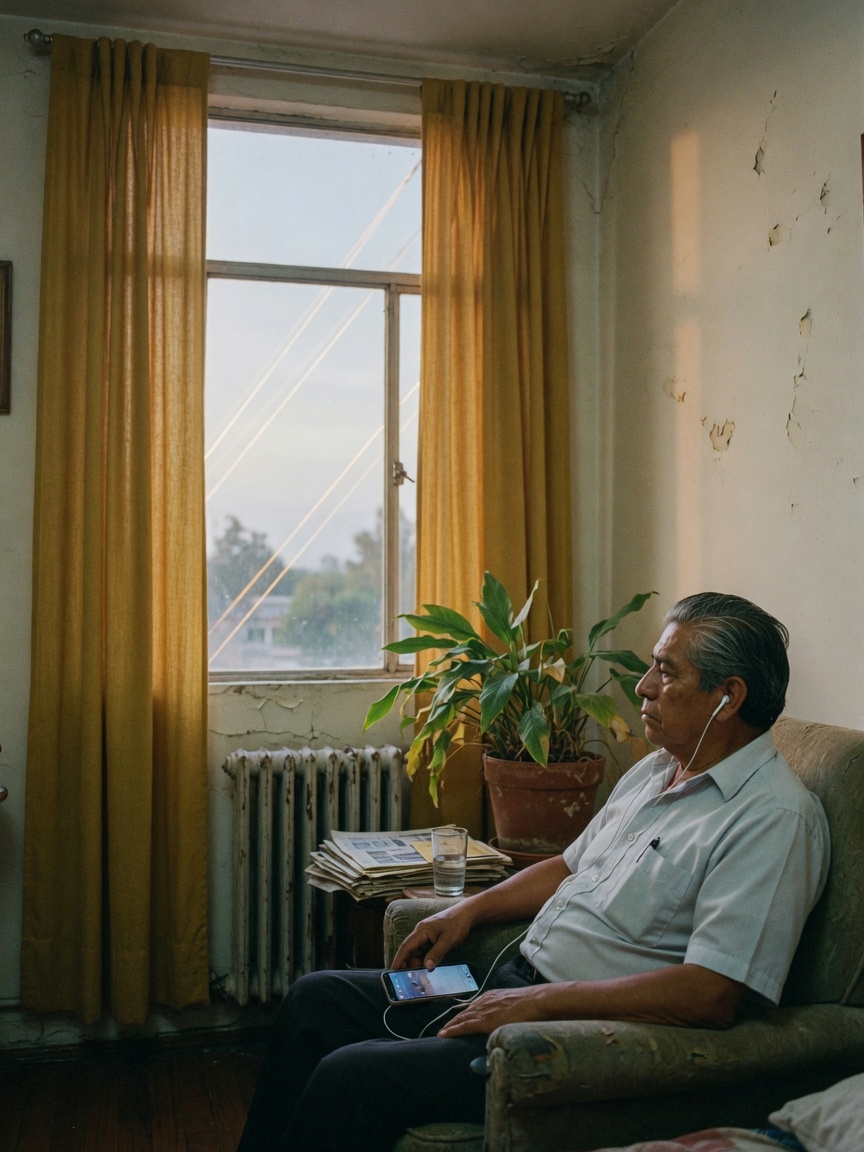
Starting conversations with aging parents about the future involves asking open-ended questions about their wishes for health, finances, and legacy. A private family network like Kinnect provides a dedicated space to document these conversations and record their stories, ensuring their voice is preserved.
Kinnect is now LIVE! Start your private family group today.
👉 Try Kinnect on the Web
👉 Download the iOS App
To talk to aging parents about the future, start by sharing your own feelings and asking open-ended questions about their hopes and concerns. Focus on their wishes for healthcare, living situations, and finances, framing it as a way to honor their choices, not control them.
Talking to aging parents about the future is a process of initiating gentle, ongoing conversations about their wishes for healthcare, finances, living arrangements, and end-of-life plans. The goal is to understand and document their preferences now, ensuring their autonomy is respected and your family is prepared for future decisions.
I remember sitting across from my dad at his kitchen table, the silence thick with things we weren’t saying. I wanted to ask him about his wishes, about what he wanted if he got sick, but the words felt like stones in my throat. I was afraid of upsetting him, of making him feel old. He passed away two years later after a sudden illness, and we were left guessing, trying to piece together what he would have wanted. That uncertainty was a heavy, unnecessary weight during a time of grief.
This conversation isn't about control; it's about connection and honor. It’s about making sure their voice is heard, even when they can no longer speak for themselves. The reality is that making these decisions in the middle of a crisis is incredibly difficult. In fact, approximately 40% of family caregivers report high emotional stress from caregiving, a burden that is magnified when you’re forced to make critical decisions without a clear roadmap. Starting the conversation now is a gift you give to them, and to yourself.
3 Conversation Starters for Talking About the Future
These aren't one-time talks, but ongoing dialogues. The goal is to make the topic normal, not scary. Find a quiet, relaxed moment and start with one of these approaches.
- "I was thinking about my own future plans, and it made me wonder about yours." This approach frames the conversation around you, which can feel less confrontational. You can talk about setting up your own will or healthcare directive. This opens the door to ask, "Have you thought about these things? I'd love to understand your wishes so I can make sure they're honored." This covers topics like living wills, power of attorney, and where important documents are kept.
- "What does a good day look like for you, now and in the future?" This is a question about quality of life, not just logistics. It helps you understand what truly matters to them. Is it being in their own home? Having their garden? Seeing their grandkids? Understanding their core values makes it easier to navigate future decisions about living arrangements and care, ensuring their happiness remains the central focus.
- "I'd love to record some of your stories. Tell me about..." This is the conversation about legacy, and it’s often the easiest and most beautiful place to start. Our research for Kinnect uncovered a painful 'Legacy Preservation Gap': 85% of adults wish they had recorded their parents' voices, but only 12% have a system to do it. Ask about their childhood, how they met their spouse, their proudest moments. This not only captures precious memories but also builds a bridge of trust for tougher topics.
These conversations are too important to be lost in a noisy group text or a forgotten notebook. They are the foundation of your family's future. Kinnect was built for this exact purpose—to give these sacred conversations a permanent, private home. Using our Echoes feature, you can record your parents' voice telling their own stories, document their wishes in a shared family Vault, and ensure everyone is on the same page, without the stress of a crisis.
We are LIVE! You can start building your family's private space today. Learn more about Kinnect and Download on the App Store to capture their voice forever.
Why is it so hard to talk to parents about aging?
It’s difficult because these conversations force us to confront mortality—both theirs and our own. There's often a fear of upsetting them, stripping away their independence, or reversing the parent-child role, which can feel uncomfortable for everyone involved.
How do you start a difficult conversation with an elderly parent?
Start by expressing your love and concern. Use "I" statements like, "I worry about..." or "I would feel better if we had a plan..." to make it about your feelings, not their failings. Choose a calm, private time and be prepared to just listen without judgment.
What is the best way to document my parents' wishes?
The best way is a combination of legal documents (like a will and power of attorney) and a centralized, accessible family system. A secure digital platform like Kinnect allows you to store copies of documents, record video or audio of your parents stating their wishes, and share key information with designated family members.

