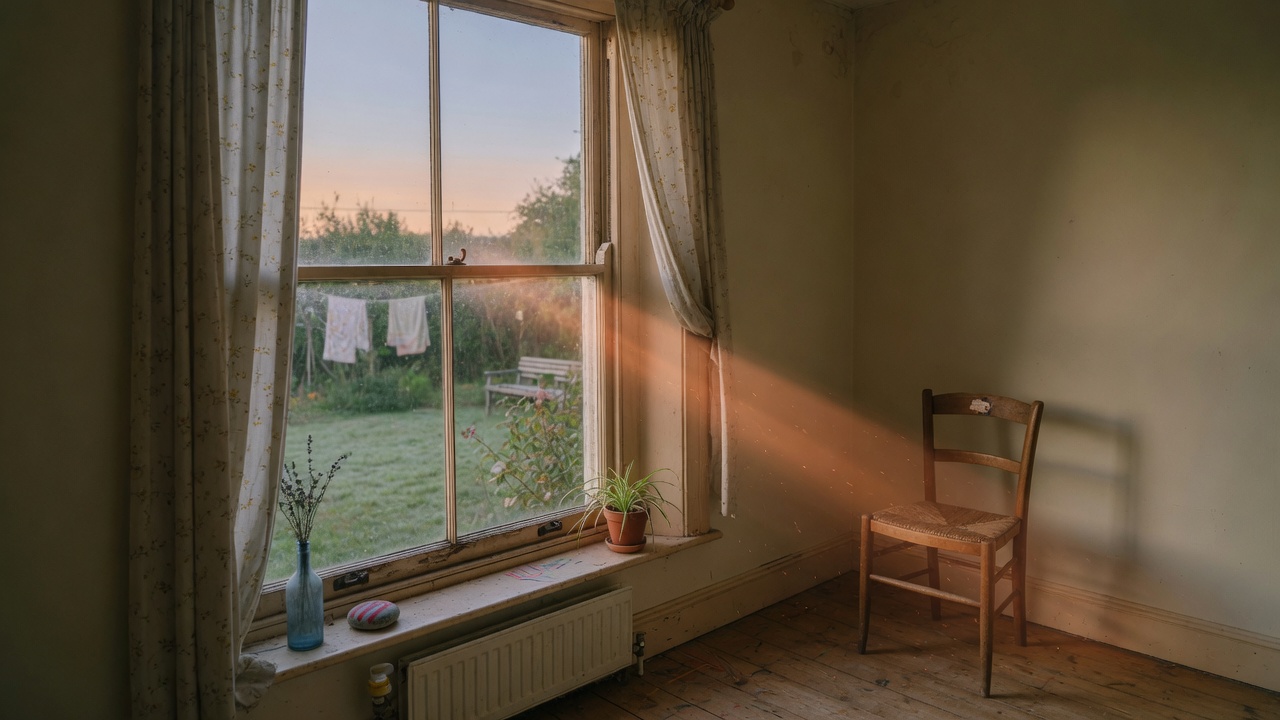
Preserving family oral history involves more than just recording interviews; it requires activating those stories into living traditions. By creating rituals like anniversary playbacks or sharing 'story of the month' clips, families can ensure their history echoes for generations. Kinnect provides a private, dedicated space to safely share and cherish these moments away from public social media.
Preserving family oral history is the practice of documenting and safeguarding the spoken memories, stories, and personal experiences of family members. This process typically involves audio or video recording of structured interviews to create a permanent, firsthand account for future generations to access and understand their heritage.
Kinnect is now LIVE! Start your private family group today.
👉 Try Kinnect on the Web
👉 Download the iOS App
I still remember the last voicemail my grandfather left me. It was about nothing important—just a reminder to check the oil in my car. I saved it, of course. But after he was gone, I realized I had saved the logistical noise, not the music. I had his errands, not his stories. So many of us feel this deep, urgent pull to become the family historian, to capture the voices we love before they fade. We buy the digital recorder, we schedule the interview, and we create a perfect little oral history archive.
And then... nothing. The files sit on a hard drive. They gather digital dust in a cloud folder, a well-intentioned project that never becomes part of the family's life. We treat our family stories like museum pieces to be stored behind glass, when they are really the threads that are meant to weave us together, right now. The goal isn't just to create an archive. It's to build an echo chamber, where the voices of those who came before us resonate in our daily lives.
The Echo Chamber: A Playbook for Living History
Turning a static archive into a living tradition doesn't require complicated technology. It requires intention and a little creativity. It's about taking those recorded stories off the shelf and putting them back on the kitchen table where they belong. This is how you ensure the preservation is active, not passive.
- The Anniversary Playback: On your grandparents' anniversary, instead of just a card, share a 2-minute clip from their interview where they talk about how they first met. Let them tell their own story, in their own voice, as a new annual tradition.
- The 'Story of the Month' Club: Once a month, send a short audio clip to the family with a simple prompt. Maybe it's Grandpa talking about his first job. The prompt could be: "What was your first job? Share one memory." It turns passive listening into an active, multi-generational conversation.
- Quote-ables for the Wall: Transcribe the most powerful, funny, or poignant quotes from your interviews. Frame them next to family photos. Let your grandmother's wisdom, in her exact words, become a physical part of your home.
- Dinner Table Story Prompts: Use the stories you've collected as a foundation. Research from Emory University found that children with more knowledge of their family history show up to 3x higher resilience and self-esteem. Start a meal by saying, "Aunt Carol once told me about a time she got lost at the state fair. Has anyone else ever gotten lost?"
The Hidden Variable: The Fear of Asking
Conventional wisdom focuses on the technical side of oral history interviews—the best microphone, the right software, the perfect lighting. But the real barrier isn't technology; it's the emotional hurdle of starting the conversation. We assume we have more time than we do. Our own data shows a painful Legacy Preservation Gap: 85% of Gen X adults report they wish they had recorded their parents' voices before they passed, yet only 12% have a system for doing so. The hidden variable is our own reluctance to acknowledge time's passage and ask the questions that matter before it's too late.
How do you interview a family member for oral history?
Start by choosing a quiet, comfortable setting without distractions. Use open-ended questions like, "Tell me about the house you grew up in," instead of yes/no questions. The most important part is to listen more than you talk and let them guide the narrative.
What is the best way to record family stories?
The best way is the one you will actually use. While a dedicated digital audio recorder offers the highest quality, a modern smartphone's voice memo app is perfectly sufficient for capturing clear audio. The key is capturing the story, not achieving studio-perfect sound.
How do you preserve oral history?
Preservation requires a 3-2-1 backup strategy: three copies of the file, on two different types of media (e.g., a hard drive and cloud storage), with one copy stored off-site. But true preservation means sharing the stories so they live on in the family's collective memory, not just on a device.
Creating these echoes requires a safe, private place for them to resonate. Public social media platforms, with their algorithms and data-mining business models, aren't built for these sacred moments. Family group texts get buried under logistical noise. Kinnect was built to be that dedicated family home—a private space where your most important stories can be shared, celebrated, and passed down, ensuring the voices you love never fade into the background.
Learn more at Kinnect.

