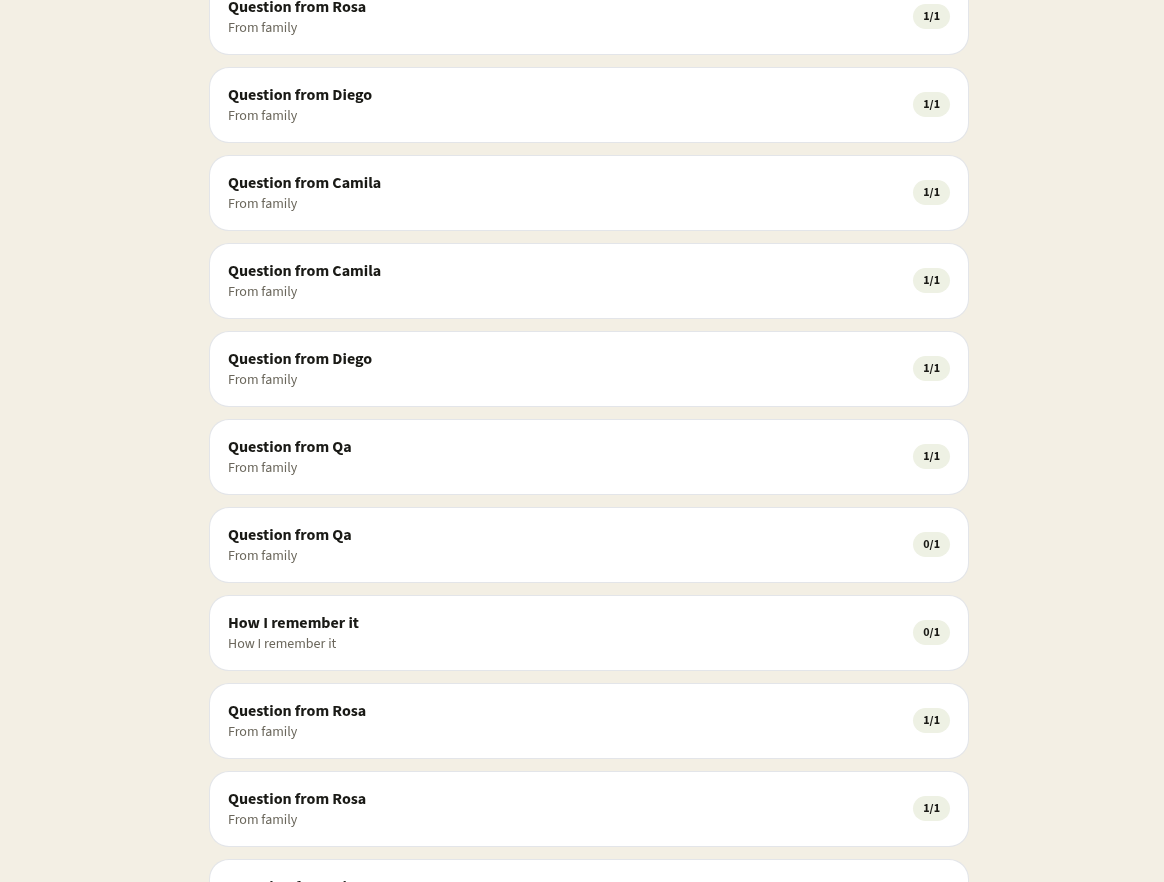
Maintaining family relationships requires a deliberate system of small, consistent actions, not just unreliable good intentions. By creating a dedicated space and simple 'nudges,' families can overcome logistical noise and build lasting bonds. Kinnect offers a private, permanent home for these systems, ensuring meaningful moments are captured and cherished.
Kinnect is now LIVE! Start your private family group today.
👉 Try Kinnect on the Web
👉 Download the iOS App
A family relationship maintenance system uses small, consistent actions and a dedicated space to nurture connection. It replaces unreliable willpower with a reliable framework for staying close, ensuring your most important bonds don't fade over time.
Relationship maintenance in a family system is the ongoing, deliberate process of nurturing bonds through consistent, positive interactions. It’s less about grand gestures and more about creating a reliable structure that makes connection easy and automatic, protecting your relationships from the chaos of daily life and ensuring they thrive for generations.
I remember the exact moment I realized good intentions were not enough. I was scrolling through my phone and saw a memory pop up of my uncle. It was from two years prior. My first thought was, 'I need to call him.' My second was a gut-punch of realization: I’d had that exact same thought the month before, and the month before that, but life—work, kids, errands—always got in the way. He passed away a few months later, and all those unmade calls became one of my life's biggest regrets. Willpower failed me. What I needed was a system.
We all believe we’ll make time for the people who matter most. But our brains are wired to focus on what’s urgent, not what’s important. The family group chat gets buried under memes and logistical planning. A quick 'like' on a social media post feels like connection, but it's hollow. We're drifting, and we don't even notice until we're miles apart. The truth is, without a simple, dedicated system, our most precious relationships are left to chance.
5 Simple Nudges to Build Your Family's Connection System
Building a system isn't about adding more to your to-do list. It's about creating small, repeatable rituals—'nudges'—that make connection effortless. It’s about designing an environment where staying close is the default. Research from Brigham Young University found that adults who maintain close family relationships have a staggering 45% lower risk of early death. This isn't just about feeling good; it's fundamental to our well-being.
Top 5 Nudges for a Stronger Family System
- The Weekly Story Prompt: Once a week, a designated person shares a prompt like, "What's a favorite memory from our old house?" or "Share a photo of a time you felt truly happy." Everyone responds when they can. This isn't a conversation that gets lost in a group text; it’s a living archive of your family's history.
- The 'Wins & Worries' Check-in: Create a dedicated space where, every Sunday, each family member can share one win and one worry from their week. It’s a simple, low-pressure way to stay in sync with each other’s real lives, beyond the highlight reels.
- The Milestone Calendar: Go beyond birthdays. Create a shared calendar that tracks the small things: the anniversary of a loved one's passing, the day someone got their driver's license, or the date of a big promotion. Acknowledging these moments shows you're paying attention.
- The Voice Note Vault: My biggest regret is not having my uncle's voice saved. Our own research shows a painful Legacy Preservation Gap: 85% of adults wish they had recorded their parents' voices, but only 12% have a system for it. Start a habit of leaving short voice notes instead of texts to capture the stories, laughter, and advice you’ll want to hear forever.
- The 'One Question' Ritual: Whether it's at dinner or on a recurring family video call, establish a ritual of asking one specific, open-ended question that isn't about logistics. For example, "What's something that surprised you this week?" This simple nudge can transform a routine chat into a meaningful connection.
Trying to build this system across texts, emails, and social media is like trying to build a home with scattered parts. It's messy, and important things get lost. You need a private, permanent place designed for one thing: your family.
That's why we built Kinnect. It’s the dedicated home for your family's system—a place to share those stories, save those voices, and track those milestones without the noise and distraction of other platforms. It's the system I wish I'd had for my uncle. Kinnect is now LIVE on the App Store and Web!
Learn more about Kinnect and start building your family's legacy today. Or, Download on the App Store and invite your family in minutes.
What are the strategies for maintaining family relationships?
Effective strategies move beyond good intentions to create systems. This includes scheduling regular check-ins, creating rituals for sharing stories and life updates, and using a dedicated, private space for communication to reduce logistical noise and focus on connection.
How do you improve family systems?
You improve a family system by introducing small, consistent, positive behaviors, or 'nudges.' This could be a weekly story prompt or a shared calendar for minor milestones. The goal is to make connection an easy, automatic part of the family's routine rather than a chore.
What is the maintenance of relationships?
Relationship maintenance is the active, ongoing work of keeping a relationship healthy and strong. In families, it involves deliberate efforts in communication, emotional support, and shared experiences to ensure bonds don't weaken over time due to distance or neglect.
What are the 5 relationship maintenance strategies?
Five key strategies are: 1) Positivity (creating enjoyable interactions), 2) Openness (sharing feelings and stories), 3) Assurances (expressing commitment), 4) Sharing Tasks (collaborating on life's logistics), and 5) Networks (involving shared friends and family in your lives).