This article provides a structured, proactive plan for adult children to capture and preserve a parent's memories after a dementia diagnosis. It outlines a step-by-step 'Echo Project' using photos, audio, and objects, suggesting a private family network like Kinnect is the ideal permanent home for this legacy.
Preserving the memories of a parent with dementia is the proactive process of systematically documenting their life stories, personality, and wisdom before cognitive decline erases them. This involves using structured interviews, multimedia recording, and curated artifacts to create a lasting family legacy for future generations.
Kinnect is now LIVE! Start your private family group today.
👉 Try Kinnect on the Web
👉 Download the iOS App
The silence after the neurologist left was the loudest sound I'd ever heard. My mom, the woman whose stories were the blueprint of my childhood, had been diagnosed with Alzheimer's disease. My first reaction was a deep, paralyzing grief for a person who was still sitting right in front of me. The internet was full of advice on caregiving, on managing the inevitable decline. It was all about loss.
But what if I could do more than just manage the loss? What if I could actively save what was still there? That’s when I stopped searching for 'how to cope' and started building a plan. I call it 'The Echo Project'—not because my mom is an echo of herself, but because my job now is to create an echo of her stories that will last forever. It’s not about mourning; it’s about building.
This is my gentle, month-by-month plan. It’s what I’m doing right now. It’s not about testing her memory, but about creating moments of connection that leave behind a priceless archive.
Month 1: The Foundational Photos
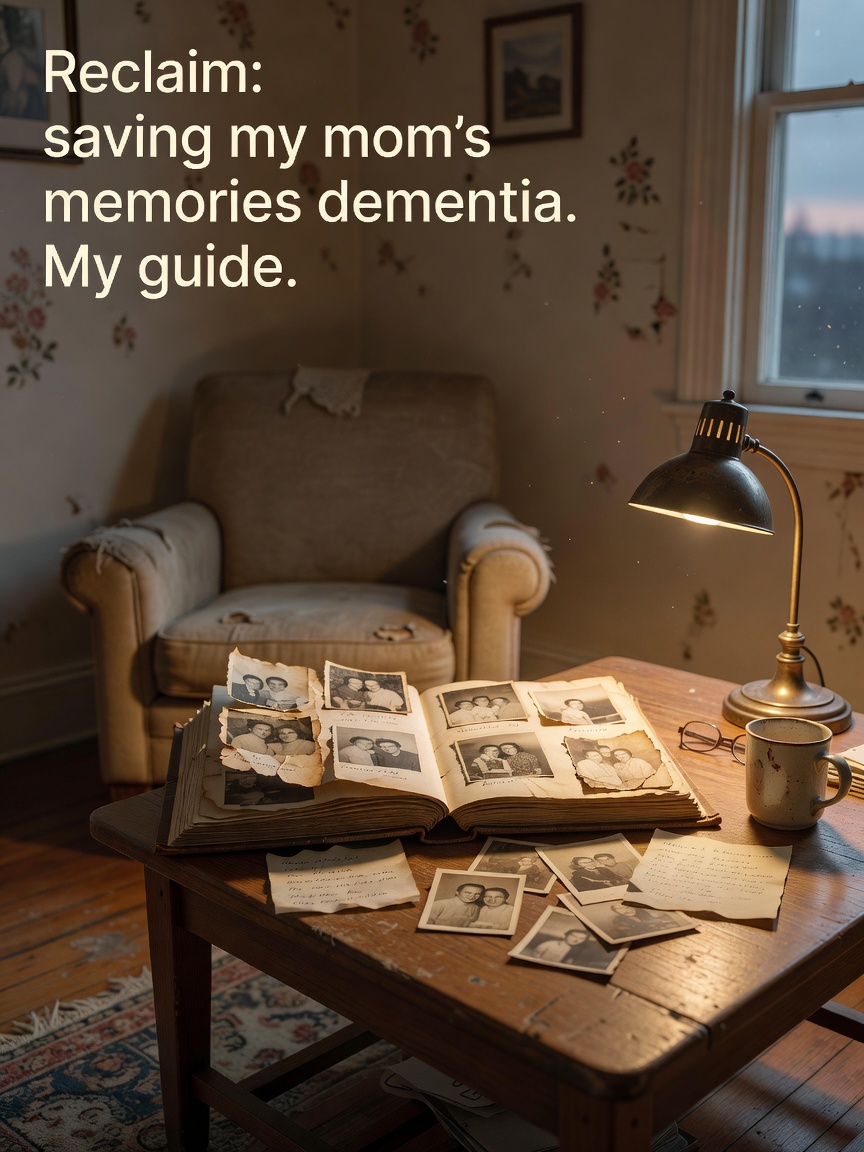
Don't just make a photo album. Create a story-gathering ritual. We started with her wedding album. I didn't ask, "Do you remember this?" That question is a test, and it creates pressure. Instead, I’d open a page, point to a smiling face, and say, "He looks like he was telling a great joke. Tell me about him." I used my phone's voice memo app to record her answers, no matter how fragmented. The goal isn't a perfect timeline; it's to capture the *feeling* of her memories, the sound of her laugh as she recalls a distant moment.
Month 2: The Sound of Her Voice
Her voice is the soundtrack to my life. The thought of it fading is unbearable. This month, the goal is to capture it. I started asking simple, sensory questions during our daily routines. While cooking, I'd ask, "Mom, what was the best thing your mother ever baked? What did it smell like?" While listening to music, "What song did you and dad dance to in the living room?" These aren't big, intimidating 'life story' questions. They are small doorways into beautiful rooms of memory. Each answer is a short audio file I save and label immediately.
Month 3: Her Life in Objects
Our parents' homes are museums of their lives. This month, I asked my mom to show me her favorite things. We didn't 'declutter'; we curated. I’d pick up an object—her mother’s locket, a chipped teacup, a worn-out cookbook—and simply ask, "Tell me the story of this." I took a photo of each object and saved it with the audio recording of her story. These tangible things are anchors for her memories, and now, they are anchors for me, too.
Beyond the Project: Building a Living Archive for Your Family
You will quickly realize that this beautiful, messy, priceless collection of photos, audio clips, and stories has no safe home. A folder on your computer is a lonely place for a legacy to live. A public platform like Facebook isn't the answer; its business model is built on data mining and advertising, turning your family's private history into a commodity. And a family WhatsApp group is designed for logistics, not legacy. Our research shows the 'Messaging Noise' phenomenon is real: 70% of family group text messages are logistical noise, which buries the meaningful connection you're trying to save.
The Hidden Variable: The Urgency You Don't Feel Yet
The conventional wisdom is to 'make more memories,' but the hidden variable is the speed of forgetting. The time to capture the stories is now, while the connections are still there. Our data reveals a heartbreaking Legacy Preservation Gap: 85% of Gen X adults report they wish they had recorded their parents' voices before they passed, yet only 12% have a system for doing so. The Echo Project is your system. You have to start before you think you need to.
This project isn't just about preventing loss; it's about building future strength. Groundbreaking research from Emory University found that children who know their family's stories show up to 3x higher resilience and self-esteem. The Echo Project is a gift you give your entire family, for generations to come.
This is why we built Kinnect. It’s not another social network. It's a private, permanent, ad-free home designed specifically for your family's most important memories. It’s a place to build your Echo Project together, where your mom's voice and stories can be shared, treasured, and passed down—safe from the noise and exploitation of the public internet. It is a digital home built with intention, for the love of family.
How do you make a memory book for someone with dementia?
Focus on simple layouts with one large photo per page and a short, clear caption below it. Use a durable binder and involve your loved one in choosing the photos to spark joy and conversation, rather than to test their memory.
How do you capture memories before they are gone?
Start a proactive project today. Use your phone to record short audio clips when they tell a story. Go through old photo albums and ask gentle, open-ended questions like, "Tell me about this day," and save the answers in a dedicated, private space.
What do you write in a memory book for dementia?
Write simple, declarative sentences identifying people, places, and events, such as, "This is you and Dad on your wedding day in 1975." Include short, happy anecdotes they've told you about that memory to help anchor the feeling associated with the photo.
How do I talk to my parents about their memory loss?
Approach the conversation with empathy, using "we" instead of "you." Try saying, "I've noticed we've been forgetting things lately, and I want to make sure we're okay. Let's see a doctor together to get some support." Frame it as teamwork, not an accusation.
Learn more at Kinnect.