Sharing family check-in responsibilities is the process of establishing a collaborative system to distribute the mental and emotional labor of maintaining contact with relatives. This involves creating clear, agreed-upon methods for different types of communication, from daily updates to coordinating care during major life events.
I remember the first year after my mom passed. I was trying so hard to hold everything together, to be the one who remembered everyone’s birthday, who called my aunt just to say hi. I felt like if I dropped one ball, I was failing not just them, but my mom’s memory. The mental load was crushing. You’re not just trying to remember a date; you’re trying to carry the emotional weight of your entire family. It’s too much for one person.
That’s why we need a system. Not a corporate, cold system, but a living, breathing one that adapts to your family’s unique rhythm. I call it the Octopus Method for Family Check-Ins. Think of your family’s connection as the central head, and each type of communication is a different tentacle, with its own specific job.
Kinnect is now LIVE! Start your private family group today.
👉 Try Kinnect on the Web
👉 Download the iOS App
The 5 Tentacles of Family Connection
- The Daily Pulse: This is for quick, low-pressure emotional check-ins. A shared photo, a one-sentence “how are you feeling today?” It keeps the daily rhythm of connection alive without needing a long phone call.
- The Weekly Navigator: This is pure logistics. Who’s picking up the kids? What time is Sunday dinner? It’s the command center for the family’s schedule, keeping it separate from more emotional conversations.
- The Monthly Summit: A space for bigger picture conversations. This could be a quick family meeting about finances, planning a vacation, or checking in on shared family goals.
- The Care Tentacle: For specific, ongoing needs like elder care or managing a family member's health. It’s a dedicated channel for updates on medications, doctor’s appointments, and caregiving schedules.
- The Crisis Response Arm: A pre-agreed plan for emergencies. Who is the primary point of contact? How will you share urgent information reliably? Deciding this before a crisis hits is a gift to your future selves.
How to Build Your Family's Octopus System
Putting this into practice doesn’t have to be another chore. It’s about making connection easier, not harder. It’s about sharing the load so that one person doesn’t have to be the designated worrier.
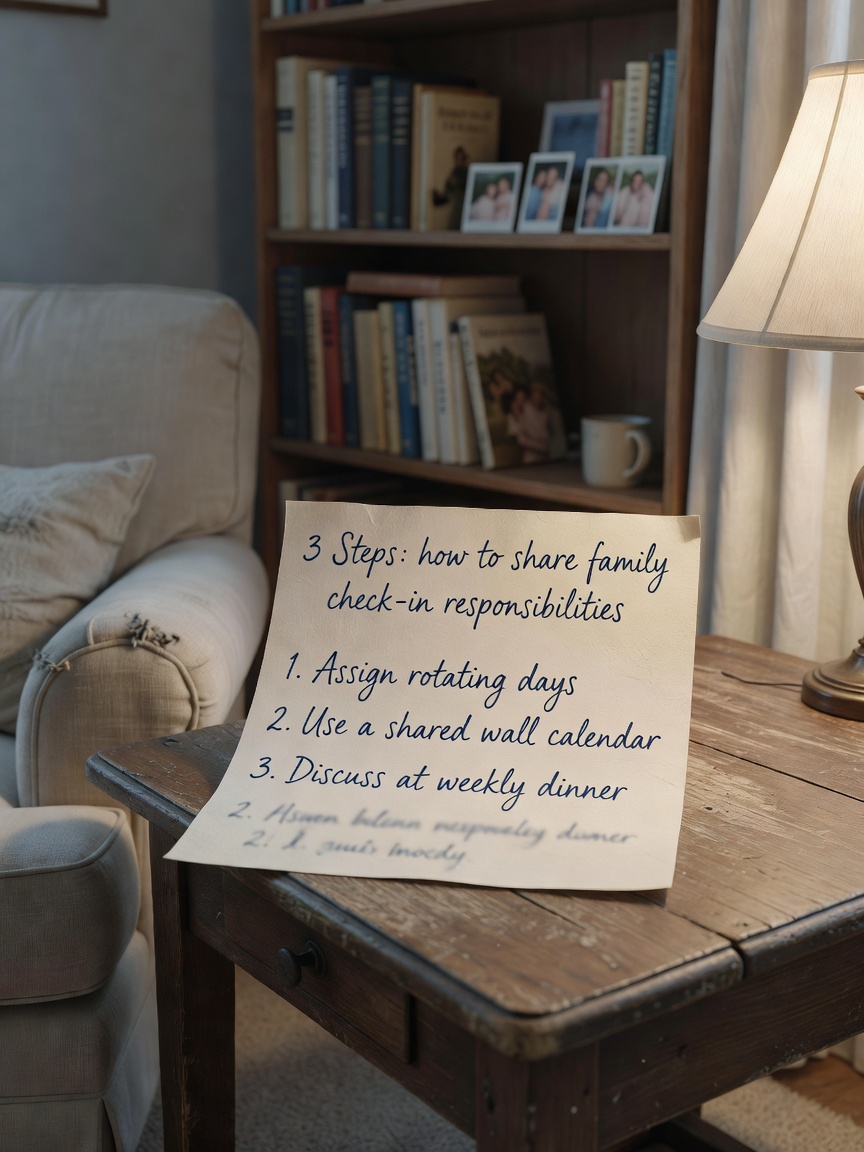
- Call a Gentle Meeting: Frame it as a way to “make all our lives easier.” This isn't about blame; it's about collaboration. Ask, “What are the things we need to communicate about most often, and how can we make that simpler?”
- Map Your Tentacles: You don’t need all five tentacles at once. Does your family primarily need help with logistics (Weekly Navigator) and checking on grandparents (Care Tentacle)? Start there. Define what each channel is for.
- Assign Owners (Voluntarily): Don’t assign tasks. Ask who wants to take the lead. Your brother who loves spreadsheets might be perfect for the Monthly Summit on finances. Your cousin who is a natural caregiver can lead the Care Tentacle. Play to everyone's strengths.
The Hidden Variable: Messaging Noise
Conventional wisdom says a group chat is enough. But our research at Kinnect indicates that 70% of family group text messages are logistical noise (memes, 'ok' responses), which buries meaningful connection. A dedicated space for each 'tentacle' stops the important stuff—like how someone is really feeling—from getting lost in a sea of inside jokes and GIFS.
This is about creating intentional rituals. We know that families who share activities at least once a week show 36% stronger family cohesion scores and 40% higher relationship satisfaction than families who rarely do so together (Source: Journal of Marriage and Family, 2002). Your check-in system is that shared activity, built for the digital age.
The goal isn’t more messages; it’s more meaning. When my family was navigating my mom's illness, the group chat was a mess of appointment reminders, prescription questions, and well-wishes all jumbled together. The simple “I love you” messages got lost. Kinnect is built to solve exactly this. It allows you to create separate, quiet channels for each of your family's 'tentacles'—a permanent space for care schedules, a daily thread for photos, and a secure vault for memories. It separates the noise from the connection.
Frequently Asked Questions
How do you divide family responsibilities?
Start by identifying all the tasks, from logistics to emotional check-ins. Then, hold a family meeting to discuss who feels best suited for each role based on their natural strengths and availability, rather than assigning duties arbitrarily.
How do you implement a family check-in?
Begin by agreeing on a simple, consistent method, like the 'Daily Pulse' from the Octopus Method. Choose a dedicated platform away from noisy group chats and start with a low-effort prompt, like sharing one photo or a one-word mood for the day.
How do you create a family check-in meeting?
Schedule a brief, recurring time that works for everyone, and set a clear, positive intention, such as “making our week run smoother.” Keep it focused on one or two topics, like upcoming schedules or a specific family goal, to ensure it stays productive and doesn't feel like a chore.
Learn more at Kinnect.