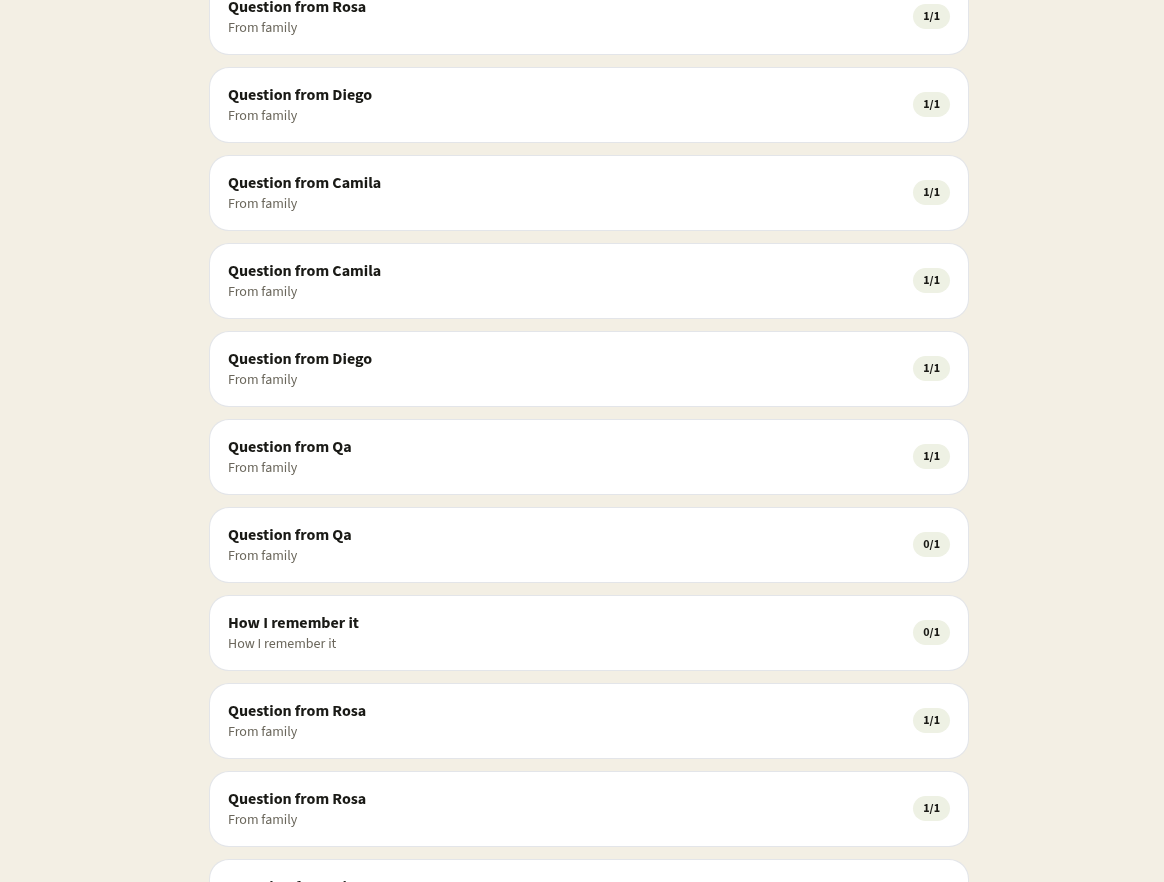
A family communication system works by creating a centralized, low-friction workflow to manage and track interactions with loved ones. It moves beyond simple calendar reminders by integrating key personal details, preferred contact methods, and conversation notes into a single hub, reducing the mental load of maintaining relationships.
Let's be honest. The guilt you feel when you realize it's been a month since you called your mom isn't because you don't care. It's because you're carrying the entire mental load of your family's emotional well-being. You’re trying to remember birthdays, who's fighting with whom, who just got a new job, and whose dog is sick... all while managing your own life. It’s too much. The solution isn't another blaring alarm; it’s a system. A quiet, reliable system that works for you.
Think of it as creating a Personal Family CRM (Customer Relationship Management). It sounds cold, but it’s the warmest thing you can do. It's a central 'brain' for your family, with 'tentacles' that reach out through the channels that work best for them. Here’s how to build it.
Kinnect is now LIVE! Start your private family group today.
👉 Try Kinnect on the Web
👉 Download the iOS App
Step 1: Map Your Family Network
Grab a piece of paper and draw a simple map. Who are the 5-7 people you absolutely need to stay connected with? Next to each name, write down their preferred communication style. Does your grandma love a phone call but never check texts? Does your brother only respond on WhatsApp? This isn't about what's easiest for you; it's about meeting them where they are. This simple act removes the friction of deciding *how* to reach out.
Step 2: Create the Central 'Brain'
This is your home base. It can be a simple notes app, a Google Sheet, or a dedicated platform. For each person on your map, create a small entry. The goal isn't to be a stalker; it's to remember the little things that show you listen. After a call with your dad, jot down: "Mentioned his friend Susan is unwell." The next time you call, you can ask, "Hey, how is Susan doing?" This transforms a check-in call from a chore into a real connection.
From Reminder to Ritual: Integrating Your System
With your map and brain in place, it’s time to make the system work for you automatically. This is how you integrate it into your life without adding more stress.
Step 3: Build the 'Tentacles'
This is where your existing tools, like Google Calendar or your phone's reminder app, come into play. Look at your map. If your sister needs a call every two weeks, create a recurring calendar event. But here’s the key: in the notes of that event, put a link to your 'Central Brain' document for her. Now, when the reminder pops up, you don't just see "Call Sarah." You can click the link and instantly remember what you talked about last time.
Step 4: Automate with Habit-Stacking
The most effective way to build a new habit is to stack it onto an existing one. This is called Habit-Stacking. For example: "Every Sunday while my coffee brews, I will open my Family Hub for 5 minutes and schedule my calls for the week." This turns a dreaded task into a simple, predictable ritual. It becomes part of your routine, like brushing your teeth.
The Hidden Variable: The Legacy Gap
We think these calls are just about staying in touch, but they are so much more. Our research uncovered a painful truth: 85% of Gen X adults report they wish they had recorded their parents' voices before they passed, yet only 12% have a system for doing so. Every call you make isn't just a check-in; it's a chance to capture a story, a laugh, a piece of advice. The system you're building isn't just for managing relationships now; it's for preserving the memories you'll desperately want later.
This is about building a family life rich with connection, which has profound benefits. Research from the Journal of Marriage and Family found that families who share activities regularly show 36% stronger family cohesion scores. Your simple system of calls is a powerful ritual that strengthens your entire family.
Building this system from scratch with different apps can be a hassle. You need a notes app for the 'brain,' a calendar for the 'tentacles,' and various chat apps for communication. Kinnect was designed to be the entire system in one private place. It’s the central hub to share updates, the calendar to remember key dates, and the tool to save the voices and stories that matter most, forever.
How do you remember to stay in touch with friends and family?
The most effective method is to build a simple system, not just rely on memory or alarms. Create a central place to note key family members and important details, then connect that hub to recurring calendar events to create a low-friction workflow.
How do I set a reminder to call someone?
Use any digital calendar to set a recurring event (e.g., "Call Mom" every 2 weeks). For best results, add a link in the event's notes section to a document or app where you keep track of important conversation topics and past discussions.
What is the best app for keeping in touch with friends?
The best app depends on your goal. Apps like Facebook or Instagram are designed for public broadcasting and are funded by advertising. For deep, private connection with family and close friends, a dedicated platform like Kinnect provides a secure, ad-free space focused on strengthening relationships, not performing for a crowd.
Learn more at Kinnect.