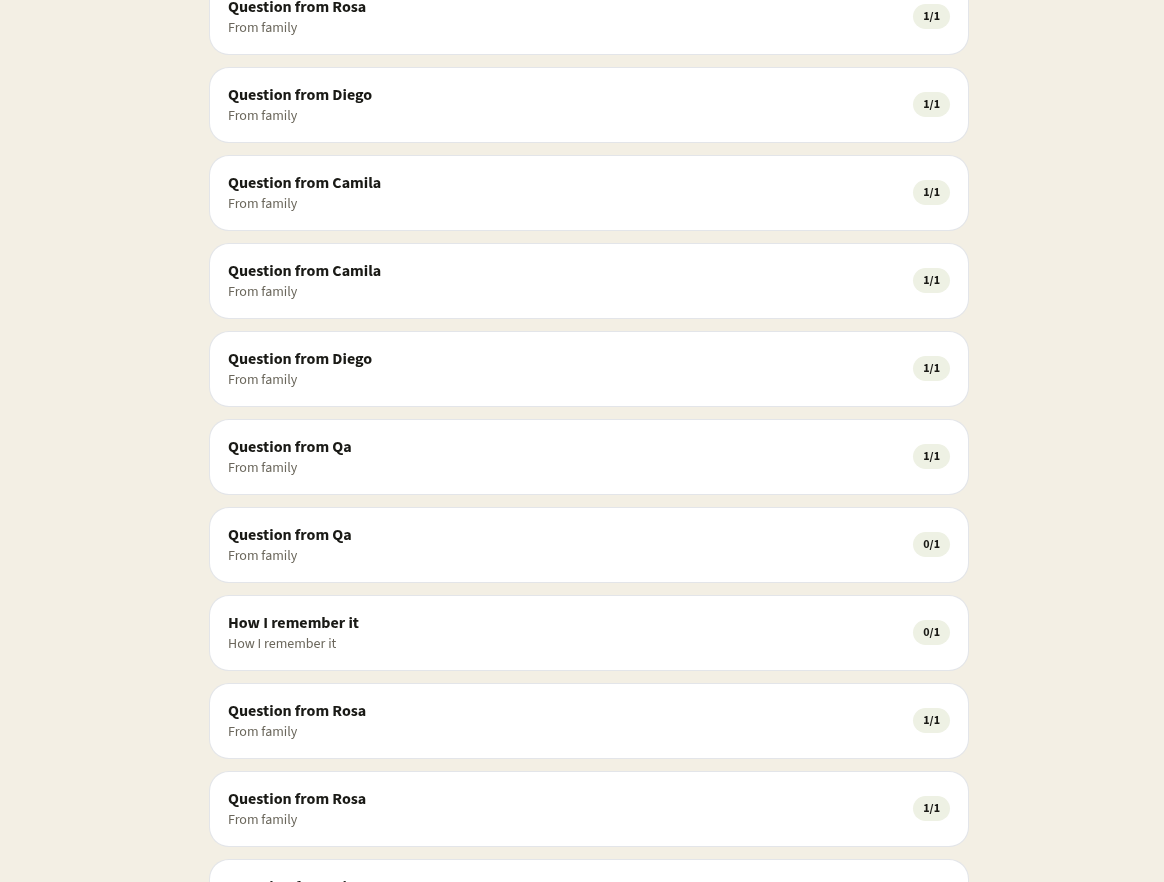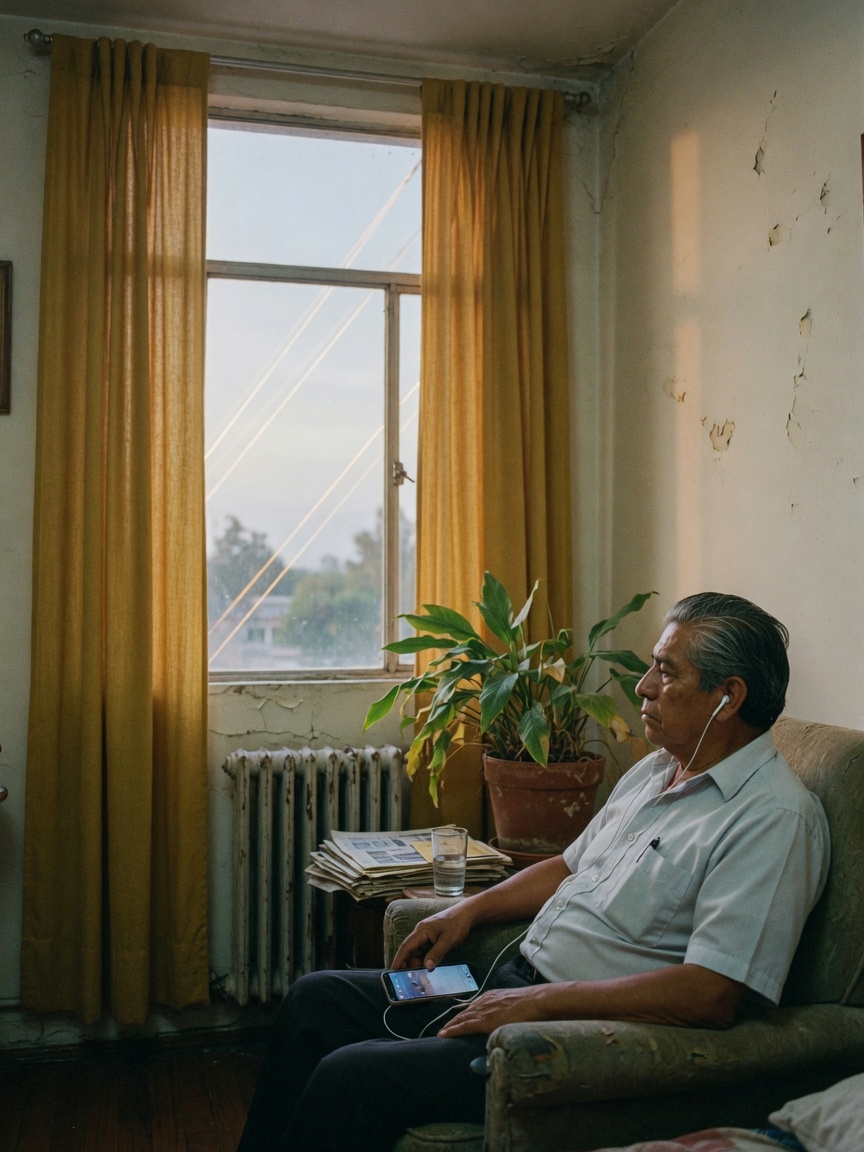
Asking parents about their memories is the first step; the real legacy is built by transforming those stories into a tangible heirloom, like a collaborative storybook or private podcast. Kinnect provides a dedicated, private space to collect, organize, and share these memories with audio and photos, creating a living archive for generations.
Kinnect is now LIVE! Start your private family group today.
👉 Try Kinnect on the Web
👉 Download the iOS App
Asking your parents about their childhood is about more than collecting facts; it's about understanding who they were before they were your parents. This simple act transforms their stories from fading memories into a living, shared legacy for your entire family.
Turning your parents' memories into a family heirloom means actively collecting their stories and then transforming them into a lasting, shareable format. This process goes beyond simple question-and-answer sessions by focusing on organizing, preserving, and creatively presenting these narratives as a tangible piece of your family's legacy for future generations.
I remember sitting with my uncle at a holiday dinner, listening to him tell a story about his first car. It was nothing profound, just a funny little anecdote about a busted radiator and a first date. I made a mental note to ask him more about it later, to get him to tell it again so I could record it. I never did. He passed away suddenly a few months later, and that little story, along with a thousand others, went with him. That silence is a specific kind of quiet, a specific kind of regret.
We see endless lists of questions to ask our parents, and they are a wonderful start. But they all stop short. They help you open the treasure chest, but they don't tell you what to do with the gold inside. Kinnect's research on the Legacy Preservation Gap is staggering: 85% of adults wish they had recorded their parents' voices, but only 12% have a system for doing so. We have the desire, but not the vessel. Let's build the vessel.
3 Ways to Turn Memories into a Living Legacy
Once you've started the conversation, the real work of preservation begins. The goal isn't just to archive facts; it's to create something that breathes, something the next generation can interact with. It's about building a tradition, not just a document.
- Create a 'Memory Mixtape' or Family Podcast. Don't just write down the stories—capture the sound of their voice. Use your phone to record them telling you about the songs that defined their youth, their first concert, or the song that played at their wedding. The sound of their laugh, the specific cadence of their speech… that's the real magic. You can easily string these audio clips together into a private family podcast, an heirloom that is heard, not just read.
- Build a Collaborative Digital Storybook. A story is more than just words. It's the faded photograph that goes with it, the ticket stub from the movie they saw, the recipe for the cake they baked. Instead of a linear document, think of a living scrapbook. Each memory can be a chapter, enriched with photos, scanned documents, and even video clips. This creates a multi-sensory experience that feels more like exploring a life than reading a biography.
- Start a 'Story Jar' Tradition. This turns memory sharing from a one-time interview into a recurring family ritual. Write simple prompts on slips of paper—'A time I got into trouble,' 'My favorite family vacation,' 'A meal that reminds me of home'—and place them in a jar. At family gatherings, someone pulls a prompt and anyone who wants to can share a memory. It's a beautiful, low-pressure way to make storytelling a central part of your family's culture. In fact, studies show that in families with regular storytelling traditions, children show 37% higher scores on family cohesion measures.
These aren't just projects; they are acts of profound love. They say to your parents, "Your life matters. Your stories are worth saving. You are worth remembering." It’s the most important work we can do.
This is exactly why we built Kinnect. It’s the vessel. It’s the private, permanent home for these stories, a place to build that collaborative digital storybook away from the noise and data-mining of social media. You can pair every story with a photo, record audio notes directly in the app, and invite your entire family to add their own memories, creating a rich, multi-generational . Stop letting these moments vanish in a chaotic group text. Start building your family's real legacy today.
Kinnect is now LIVE! Learn more about Kinnect and Download on the App Store.
What are good questions to ask about your childhood?
Ask about sensory details to unlock deeper memories. Try questions like, "What did your childhood home smell like?" or "What was the best thing your mom cooked?" Also, ask about friendships, first jobs, and what they did for fun on a summer afternoon.
What are deep questions to ask your parents?
Go beyond events and ask about feelings. Consider questions like, "When did you feel most proud of yourself?" or "What was the hardest lesson you had to learn?" or "What do you wish you had done differently as a parent?"
What are the best questions to ask about family history?
Focus on the people. Ask, "Who was the kindest person in our family when you were growing up, and why?" or "What's a family story you think I've never heard?" These questions unearth the values and personalities that shaped your family tree.
How do I ask my parents about their past?
Choose a quiet, relaxed moment without distractions. Frame it with love, saying something like, "I realize there's so much I don't know about your life, and I'd be honored to hear some of your stories." Use old photos as a gentle starting point to make it feel natural and not like an interview.