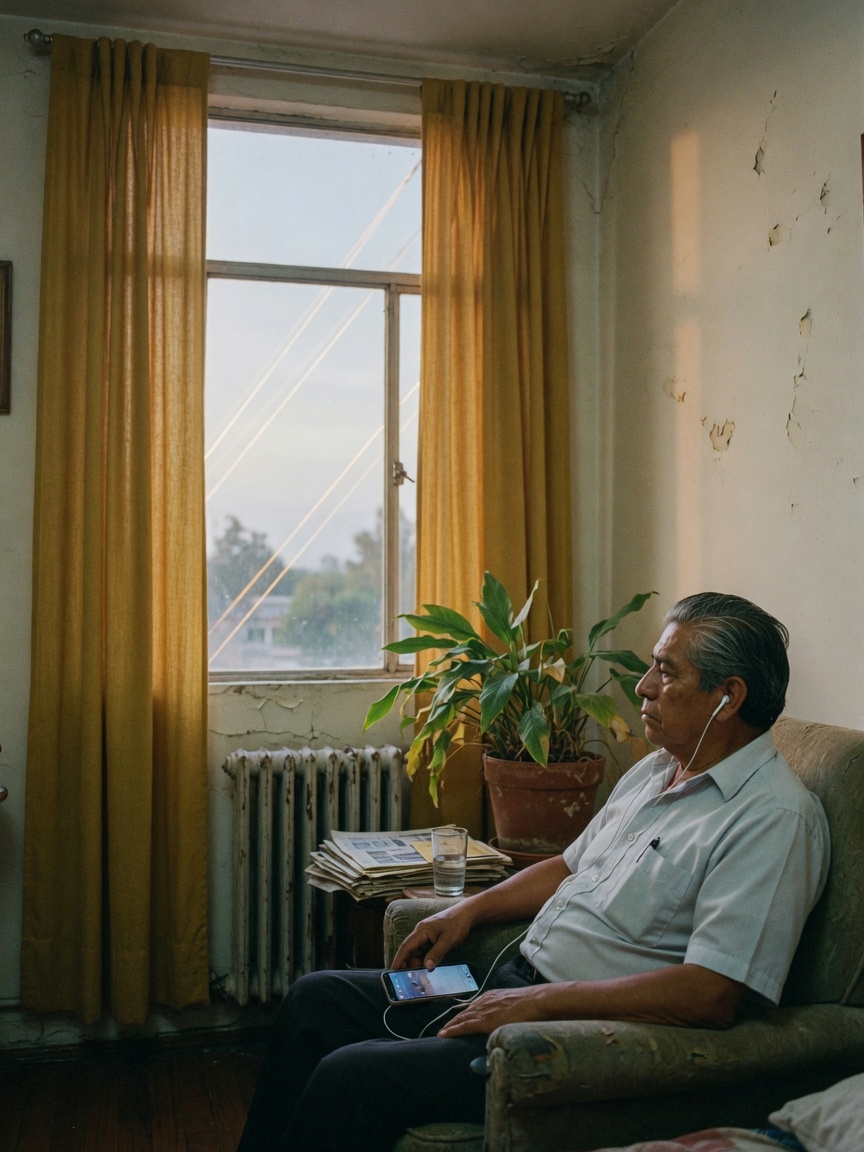
This actionable checklist provides a 3-stage framework for productive conversations with aging parents, covering preparation, execution, and follow-up. Using a private family network like Kinnect helps document decisions and maintain ongoing communication, preventing crucial details from getting lost in text messages.
An aging parent communication checklist is a structured tool designed to help adult children navigate essential conversations about health, finances, and future wishes with their parents. It provides a systematic framework to ensure all critical topics are covered respectfully and effectively, moving from preparation and discussion to actionable follow-up steps.
Kinnect is now LIVE! Start your private family group today.
👉 Try Kinnect on the Web
👉 Download the iOS App
I remember sitting in my car, staring at my parents' front door for ten minutes, unable to go inside. I had a mental list of things we *had* to talk about—the will, the house, mom's recent fall—but my throat felt tight. It’s a conversation born from the deepest love, but it feels like you're planning for the end. If you feel that same dread, you're not alone. You’re one of the 53 million Americans who are caregivers, trying to do the right thing without a roadmap.
Most guides just give you a list of topics. That's not a plan. That's a list of potential arguments. What you need is a process. This three-stage checklist is designed to give you that process, turning a dreaded conversation into a series of manageable, loving actions.
Stage 1: The Pre-Conversation Prep Checklist
Success is determined before you ever sit down to talk. Rushing into this conversation unprepared is the number one mistake families make. Take a deep breath and work through these steps first.
- Align with Siblings: Before you approach your parents, have a pre-conversation with your siblings. Discuss your concerns, agree on the primary goals, and decide who will lead which part of the discussion. Presenting a united, calm front is crucial.
- Gather Your Own Paperwork: This isn't just about them. Have your own life organized. Knowing where your own will, healthcare proxy, and financial documents are shows you’re treating this as a responsible step for the whole family, not just a directive for them.
- Create a Shared Agenda: Draft a simple, one-page agenda. Frame it with love: "Things to discuss to make sure we're all protected and prepared." Share it with your parents beforehand so they don’t feel ambushed. Topics should include Healthcare Directives, Financial Power of Attorney, and future living preferences.
- Choose the Right Time & Place: Pick a neutral, comfortable location during a low-stress time of day. Sunday brunch is better than a Tuesday night after a stressful workday. Turn off your phones. This moment deserves your full attention.
The Conversation & Follow-Up: Checklists for During and After the Talk
Stage 2: The 'During the Conversation' Checklist
This is where your preparation pays off. Your goal isn't to 'win' or get everything decided in one sitting. It's to open the door for ongoing dialogue. Keep this checklist in your mind (or on a notepad).
- Start with Love, Not Logistics: Begin by expressing gratitude and love. Say, "I love you, and because I love you, I want to make sure we have a plan so we never have to make hard decisions in a crisis."
- Use "I" Statements: Instead of "You need to...", try "I feel worried when..." or "I would feel so much better if we had a plan for..." This shifts the tone from accusation to shared vulnerability.
- Tackle One Topic at a Time: Follow your agenda. When you finish discussing healthcare, pause before moving to finances. Acknowledge what was decided or what still needs more thought.
- Take Notes on Decisions: Designate one person to jot down any concrete decisions made. Who is the healthcare proxy? Where is the will located? Who has the bank account information? Clarity is kindness.
- End with a Clear Next Step: No decision is final until there's an action attached. The conversation should end with a clear understanding of the next step, like "Dad will call the lawyer next week to update the will," and a date for a brief follow-up.
Stage 3: The Post-Conversation Action Plan
The conversation is the starting line, not the finish line. Momentum is lost in the days and weeks after the talk. Use this checklist to turn your discussion into a durable family plan.
- Send a Summary Email: Within 48 hours, send a gentle, loving email to everyone involved, summarizing the decisions and action items. This creates accountability and a written record.
- Create a 'Family Care Document': This doesn't need to be a formal legal paper. It can be a simple shared document outlining who is responsible for what, key contacts (doctors, lawyers, accountants), and a list of where important documents are stored.
- Schedule the Next Check-In: Put a follow-up on the calendar in 1-3 months. This normalizes the conversation, making it a regular part of family life rather than a single, terrifying event.
The Hidden Variable: The Legacy Preservation Gap
We focus so much on the logistics of aging—the finances, the healthcare—that we forget what is truly irreplaceable. These conversations are not just about preparing for an end; they are some of the last, best opportunities to preserve a beginning and a middle. Our user data at Kinnect reveals a painful truth: 85% of Gen X adults report they wish they had recorded their parents' voices before they passed, yet only 12% have a system for doing so. The most important checklist item is the one nobody talks about: capturing their stories. Ask them about their first love, their biggest regret, the proudest moment of their life. Record it. Write it down. This is the inheritance that truly matters.
These conversations aren't a one-time event; they're the start of a new chapter. Keeping track of decisions, documents, and those precious stories in group texts or email chains is a recipe for stress and loss. Kinnect was built for this. It’s a private, permanent home for your family’s most important information—from legal documents to your dad’s favorite story about his first car—all in one place, safe and accessible to the right people.
What are the 3 challenging conversations to have with an aging parent?
The three most challenging conversations typically involve: 1) Finances, including wills and power of attorney; 2) Healthcare, especially end-of-life wishes and advance directives; and 3) Loss of independence, such as when it's time to stop driving or consider assisted living.
How do you have a difficult conversation with an elderly parent?
Approach the conversation with empathy and from a place of love, not fear. Choose a calm, private time, use "I" statements to express your feelings, and listen more than you speak. Frame the discussion as a way to honor their wishes and ensure their future comfort and security.
What to talk about with elderly parents?
Beyond the difficult topics of health and finances, make time to talk about their life. Ask about their memories, stories, and wisdom. Discuss their daily joys and challenges to stay connected, ensuring your relationship is about more than just caregiving.
Learn more at Kinnect.

