Documenting family history digitally involves more than scanning; it's about creating a collaborative, living archive. By using a private family social network like Kinnect, families can collectively contribute stories, photos, and oral histories, linking them directly to a shared family tree for future generations.
Digitally documenting family history is the process of converting physical artifacts like photographs, letters, and documents into digital formats and organizing them in a central, accessible location. This practice aims to preserve historical records, share genealogical information, and create a lasting legacy for future generations.
Kinnect is now LIVE! Start your private family group today.
👉 Try Kinnect on the Web
👉 Download the iOS App
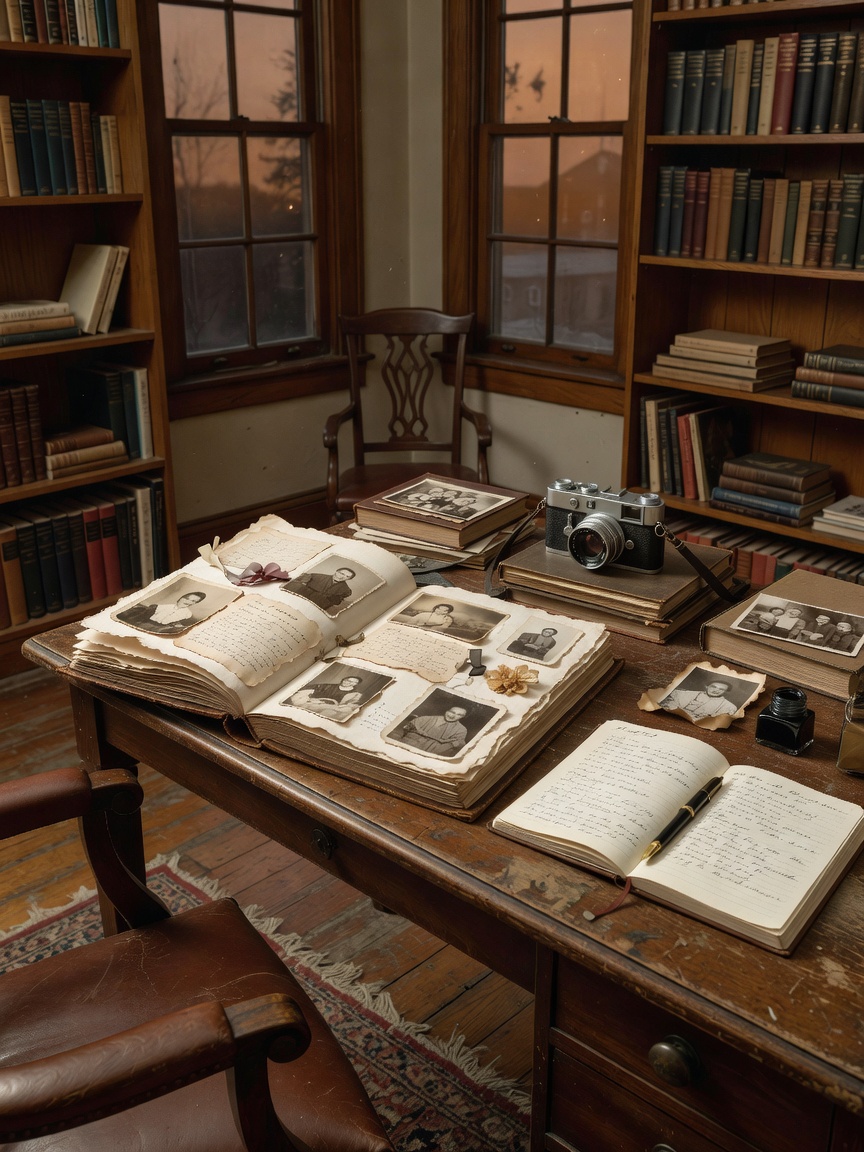
We all have it. The box in the attic, the shoebox under the bed. It’s filled with faded photos, letters with elegant, looping cursive, and documents that feel like they might turn to dust. My grandfather kept one just like it. After he was gone, I spent weeks trying to piece together the story, but all I had were fragments. I had the facts, the dates, the names. But I didn't have his voice telling me about the day he met my grandmother. I didn’t have the context. I realized the real goal isn't just to create a digital archive; it's to keep the story alive.
Most guides will tell you to buy a scanner and create a complicated system of folders on your computer. They treat this sacred work like a solo accounting project. But your family’s history isn't a task to be completed; it's a conversation to be started. It’s not about one person becoming the family librarian. It's about creating a space where everyone can add their piece of the puzzle, turning a static collection of files into a living, breathing family tree that grows with every new story shared.
A New Framework for Your Family's Story
Shifting from a solo project to a collaborative one requires a different approach. It’s not about technology; it’s about connection. Here is how to build a family history project that the next generation will actually want to be a part of.
1. Choose a Private, Shared Hub
Your family’s story is precious. A folder on your personal computer is an island, inaccessible to others and vulnerable to a single hard drive failure. A public platform like Facebook isn't the answer, either; their business model is built on using your family photos and data for advertising. The foundation for this project should be a private, secure space designed exclusively for your family, where multiple members can contribute, comment, and connect without worrying about who is watching.
2. Invite Your Storytellers (Not Just Archivists)
Make a list of family members and think about their unique gifts. Your aunt might be the keeper of all the old photos. Your cousin might be great at interviewing elders. Send a simple invitation, not with a list of chores, but with a question: “I’m trying to save our family’s stories, and I can’t do it without you.” By giving everyone a role, you turn a burden into a shared mission.
3. Capture the Voices, Not Just the Records
A birth certificate tells you when someone was born. A recording of their laugh tells you who they were. The single greatest regret many of us have is not capturing the voices and mannerisms of the people we’ve lost. Our own data shows a painful Legacy Preservation Gap: 85% of adults wish they had recorded their parents' voices before they passed. Use your phone's voice memo or video recorder during your next family visit. Ask a simple question like, “Tell me about the house you grew up in,” and just let them talk. These oral history recordings are the most valuable artifacts you will ever collect.
The Hidden Variable: The 'Memory Collision'
Conventional wisdom tells us to find the “correct” version of a family story and record it as fact. This is a mistake. The hidden variable in a rich family history is the 'memory collision'—the beautiful, messy, and often contradictory ways different people remember the same event. Don't try to resolve these differences. Instead, capture them. Record your uncle’s version of the legendary fishing trip right alongside your aunt’s. The disagreements, the different details, the emotional nuances—that’s where the real story lives. A true family history isn't a single timeline; it's a chorus of voices.
Knowing these stories has a profound impact. A groundbreaking study by Emory University found that children with a deep knowledge of their family's history showed up to 3x higher resilience and self-esteem. Your family's story is a source of strength waiting to be tapped.
What is the best way to record family history?
The best method is a hybrid approach. Use a scanner or app to digitize physical photos and documents, but prioritize capturing oral histories through audio or video recordings. A collaborative platform where everyone can contribute is far more effective than one person managing files alone.
How do I organize my family history documents?
Instead of creating complex folders on a computer, use a system that allows you to tag people and events. Link each document, photo, or story directly to the ancestor it belongs to within a digital family tree. This creates a rich, contextual web of memories that’s easy for anyone to explore.
How do you organize your genealogy research?
Organize your genealogy research by person, not by document type. Create a central profile for each ancestor and attach every piece of information—records, notes, photos, and stories—directly to them. This person-centric approach builds a comprehensive picture of their life and how they connect to the larger family story.
Building a living archive is about creating a home for your family's identity—a safe place where stories can be shared, voices can be heard, and connections can be deepened across generations. It requires a foundation built specifically for the privacy and permanence your legacy deserves.
Kinnect was designed for this very purpose. It's a private, permanent space for your family to build your story together, connecting photos, videos, and oral histories directly to your shared family tree, ensuring your legacy is not just preserved, but truly alive.
Learn more at Kinnect.
