When a parent is ill, updating family members individually is exhausting and emotionally draining. Using a centralized, private space like Kinnect allows a primary caregiver to post updates once for everyone, reducing the 'messaging noise' of group texts and preserving energy for what truly matters.
Kinnect is now LIVE! Start your private family group today.
👉 Try Kinnect on the Web
👉 Download the iOS App
The best way to keep extended family informed when a parent is ill is to create a single, private channel for updates. This avoids the stress of repeating difficult news and ensures everyone gets the same information at the same time, preserving your emotional energy.
Keeping family informed during a parent's illness means establishing a central communication hub where one person can post updates for everyone to see. This method replaces draining individual calls and chaotic group texts, creating a calm, organized flow of information that respects the caregiver's limited energy and emotional bandwidth during a crisis.
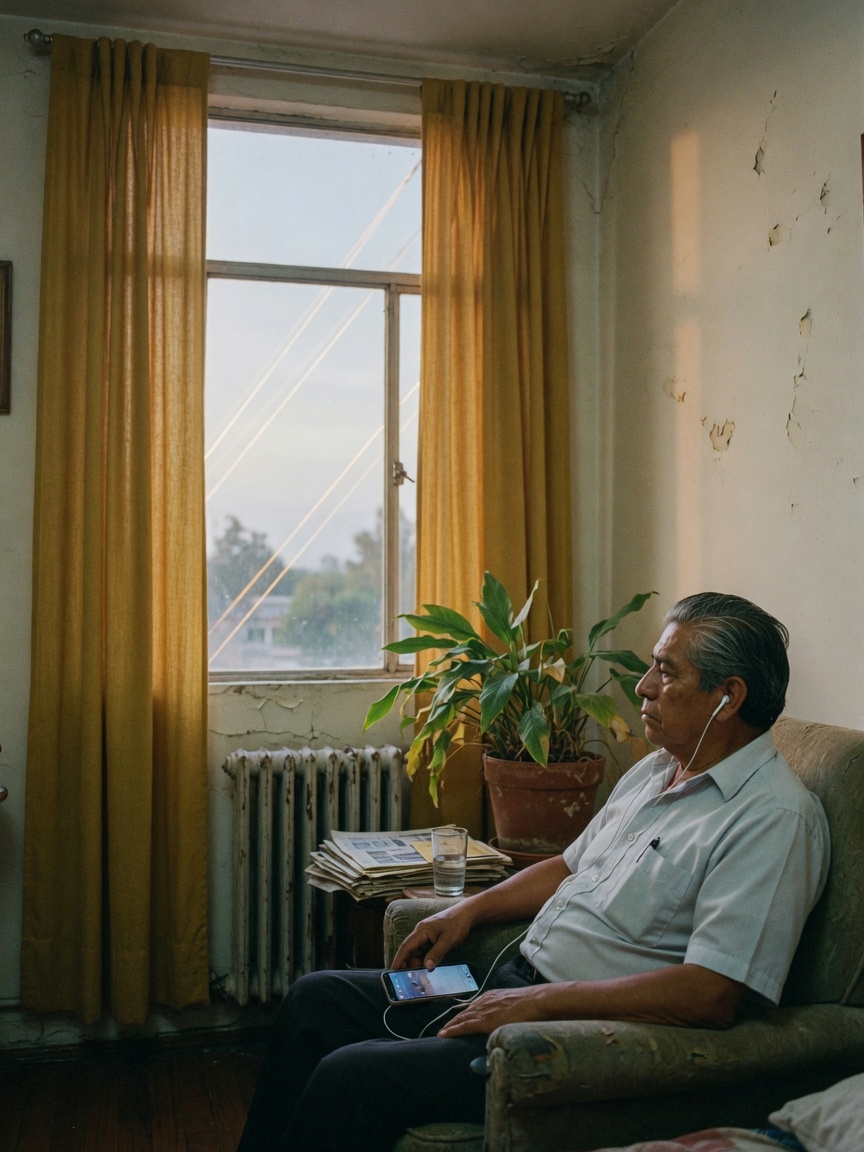
I remember the constant buzz of my phone after my dad got his diagnosis. Every vibration was a well-meaning cousin, aunt, or family friend asking for an update. I'd finish a difficult call with a doctor, only to have to find the strength to repeat the same heartbreaking news five more times. Each call took a piece of me, and I was already running on empty.
You aren't just a spokesperson; you're living this. You're holding a hand, managing medications, and trying to process your own grief. The emotional labor of managing everyone else's anxiety on top of your own is an impossible burden. There is a better way to keep the people who love you in the loop—one that protects your peace while honoring their need to know.
3 Steps to Create a Calm Communication Hub
When you're the primary caregiver, your energy is the most precious resource you have. Approximately 40% of family caregivers report high emotional stress from caregiving, and a huge part of that stress comes from communication overload. Here’s how to build a system that serves both you and your family.
Top 3 Ways to Keep Family Updated Without Burning Out
- Choose Your "One Place." The goal is to post once and be done. This could be a private blog, a dedicated email list, or a private family network. The key is that it’s a single destination. A chaotic group text isn't the answer; our research on the 'Messaging Noise' phenomenon shows that 70% of family group text messages are logistical noise (like 'ok' or memes), which buries the critical health information you're trying to share.
- Set Clear Boundaries and Expectations. Once you choose your platform, send one message to everyone explaining how it will work. Say something like, "To make sure I can focus on Mom, I'll be posting all updates here once a day. This is the best place to get the latest information, as I won't be able to respond to individual texts or calls." Most people will understand and respect this boundary when they know there's a reliable place to go for news.
- Delegate the Role of Communicator. If you are too overwhelmed to even write a daily post, ask for help. Designate a sibling, a trusted cousin, or a close family friend to be the 'Family Communicator.' You can give them the update once, and they can be responsible for posting it to the chosen platform. It's a concrete, incredibly helpful way for someone to support you.
You shouldn't have to choose between caring for your parent and managing family communication. You need a quiet, private space designed for this exact moment—a place where meaningful connection can happen without the noise.
Kinnect was built for this. It’s a private, permanent home for your family’s story, where you can share sensitive health updates in a secure space, away from the chaos of social media and group texts. Post an update once, and everyone you invite can see it, offer support, and stay informed without adding to your burden. Kinnect is now LIVE on the App Store and Web!
Learn more about Kinnect or Download on the App Store.
Why is a single communication channel so important?
A single channel prevents miscommunication and ensures everyone receives the same information at the same time. Most importantly, it protects the primary caregiver from the emotional exhaustion of repeating difficult news over and over again.
How do you handle family members who still call or text constantly?
Gently but firmly redirect them. You can say, "I really appreciate you checking in. I'm putting all the latest information in our family space so I can focus my energy on Dad. The most recent update is there."
What is the best information to share in an update?
Keep it factual and concise. Include any changes in condition, results from doctor's appointments, and specific ways people can help (if any). It's also okay to share how you, the caregiver, are feeling.