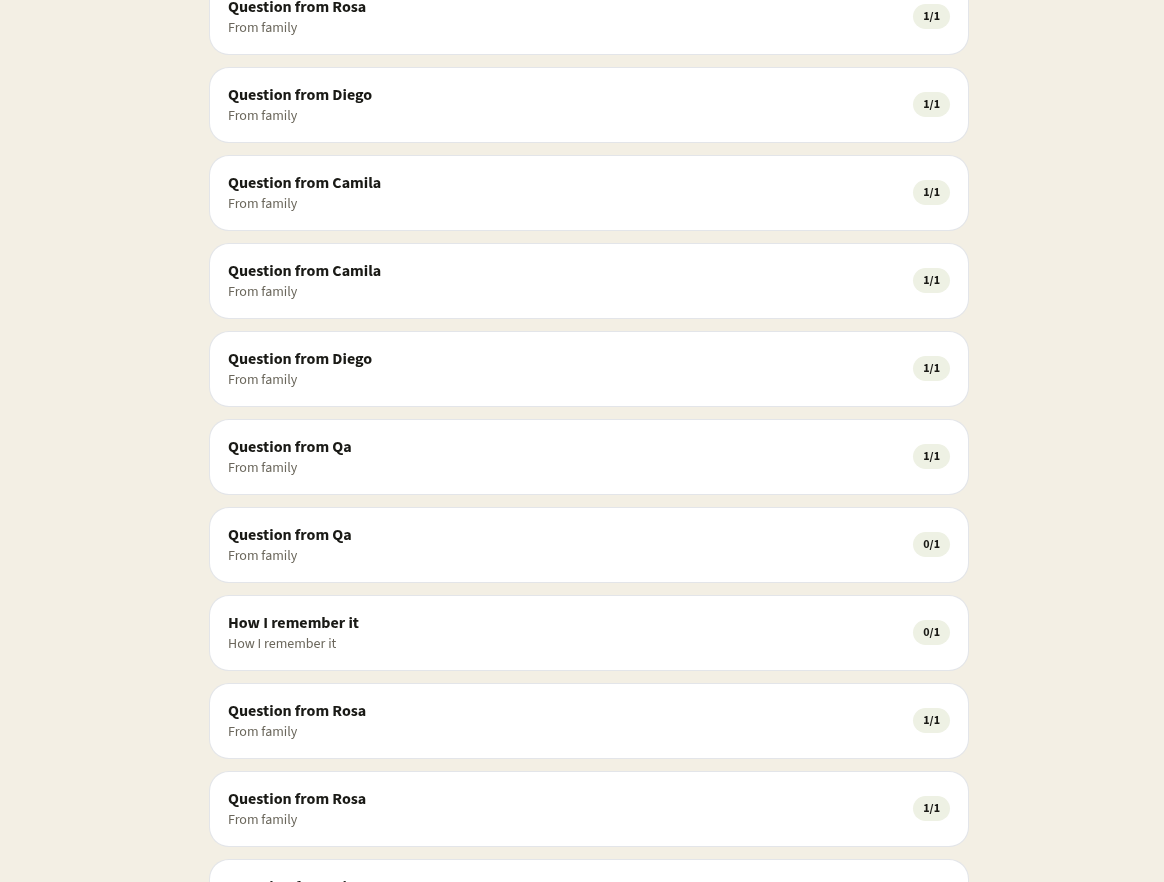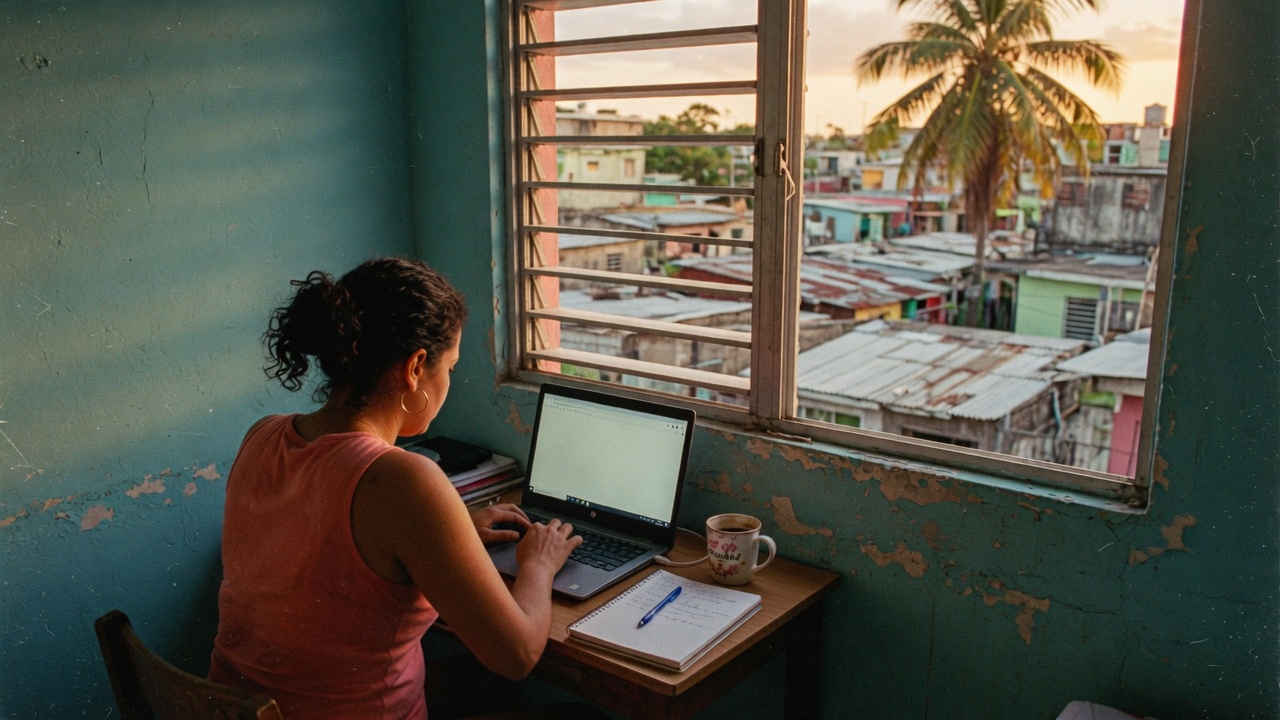
Organizing family history involves creating a central system for photos, documents, and stories to preserve your legacy. Kinnect provides a private, secure platform where generations can collaboratively build and share their family's timeline, turning scattered memories into a unified narrative.
Kinnect is now LIVE! Start your private family group today.
👉 Try Kinnect on the Web
👉 Download the iOS App
Keeping family history organized means creating a centralized, accessible system for all your family's assets—from physical photos and documents to digital files and oral stories. The goal is to consolidate scattered information into a single, secure narrative that can be easily shared and preserved for future generations.
You know the feeling. The dusty shoebox in the attic, overflowing with faded photographs. The forgotten hard drive with thousands of unsorted digital images. The login details for three different ancestry websites, each holding a different piece of the puzzle. It’s not just clutter; it's your family's legacy, scattered and at risk of being lost. This chaos creates a barrier to connection, preventing the very stories that define you from being passed down.
The truth is, knowing where you come from is a powerful anchor in a fast-moving world. A landmark study from Emory University found that children with a strong knowledge of their family history show up to 3x higher resilience and self-esteem. Your family's story is more than a collection of dates and names—it's a source of strength. The challenge isn't a lack of love or stories, but the lack of a single, private home where they can all live together.
5 Steps to Create a Living Family Archive
Transforming scattered memories into a coherent family legacy feels like a monumental task, but it can be broken down into manageable steps. The key is to think of it not as a one-time project, but as building a living archive that your family can contribute to for years to come.
- Gather Your Assets: Start by collecting everything in one place. This includes physical items like photo albums, letters, and certificates, as well as digital files from phones, computers, and old cloud accounts. Don't sort yet—just gather.
- Digitize Everything Analog: Your physical memories are the most vulnerable. Scan photos, transcribe letters, and digitize old home videos. This not only preserves them from decay but makes them instantly shareable with family members anywhere in the world.
- Choose a Central, Private Hub: This is the most critical step. Public social media is not built for privacy, and generic cloud storage lacks the context and storytelling tools needed. You need a dedicated, secure space where your family's story can unfold without being mined for data.
- Enrich with Stories and Voices: A photo of your grandfather is just an image until you add the story of how he met your grandmother. This is where the magic happens. A staggering 85% of Gen X adults wish they had recorded their parents' voices before they passed, highlighting a massive 'Legacy Preservation Gap'. As you upload photos, add captions, record voice notes, and ask older relatives to share their memories of the people and events pictured.
- Invite Collaboration: Your family history is a shared story. Invite siblings, parents, cousins, and even chosen family to contribute. Someone might have the one photo you're missing or remember a detail that changes everything. A collaborative platform turns a solo project into a family bonding experience.
Generic tools and public platforms weren't designed to protect and honor a family's most precious memories. They are built for fleeting updates, not lasting legacy. This is why we built Kinnect—to be the private, secure home for your family's story. It’s a space where you can organize photos by person, create a visual timeline of your family's journey, and safely record the voices and stories that give it all meaning.
Stop letting your family's history fade away in dusty boxes and forgotten folders. Create your private family space on Kinnect today and start building a legacy that connects generations. Start your family archive now.
Why is organizing family history important?
Organizing family history strengthens family identity and provides a sense of belonging. It preserves priceless memories for future generations and, as studies show, helps children develop higher resilience and self-esteem by understanding where they come from.
How do I start organizing old family photos?
Begin by gathering all your photos, both physical and digital. Sort them chronologically or by event, digitize the physical prints, and upload them to a central, secure platform. Most importantly, add captions with names, dates, and stories to give the photos context.
What is the best way to share family history privately?
The best way to share family history privately is through a dedicated, invitation-only platform designed for families, like Kinnect. Unlike public social media, these spaces ensure your photos, stories, and personal data are protected and only seen by the people you choose to invite.
Learn more at kinnect.club.