Organizing family history requires a dynamic system, not a static archive. This guide outlines how to create a collaborative, future-proof family tree that evolves over time. A private family network like Kinnect provides a central, secure space for families to build and share this living legacy together.
Keeping family history organized is the process of systematically arranging genealogical records, photographs, documents, and oral histories into a coherent and accessible format. The goal is to preserve the integrity of the information for personal use, family sharing, and for future generations who will one day look for their story.
Kinnect is now LIVE! Start your private family group today.
👉 Try Kinnect on the Web
👉 Download the iOS App
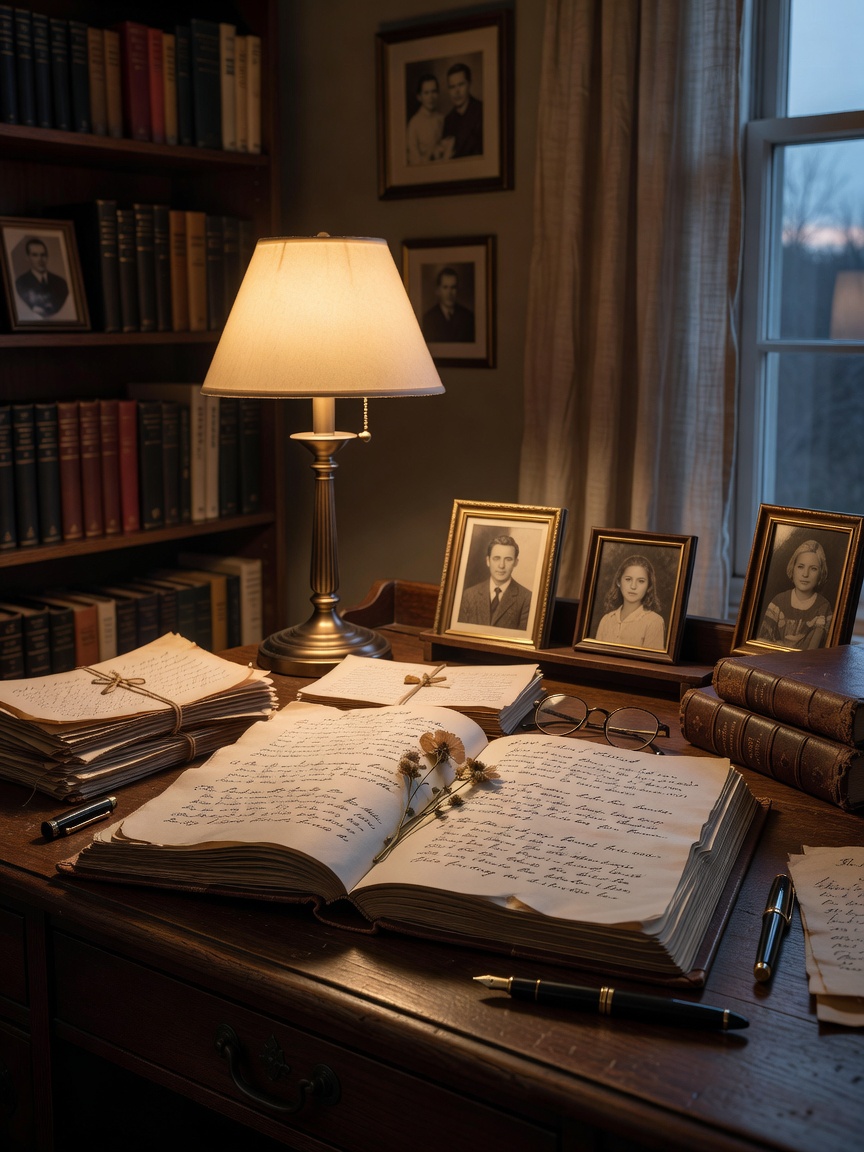
I remember after my grandfather passed away, we found a heavy cardboard box in his closet. It was a chaotic jumble of unlabeled photos, newspaper clippings yellowed with age, and letters with faded ink. We all felt this immense responsibility, this weight. But it wasn't a beautiful legacy; it was a heartbreaking puzzle with most of the pieces missing. This is the problem with treating family history as a project with an endpoint. You sort everything into folders or a single piece of software, and then... it stops. It becomes a static archive, a digital version of that same dusty box.
But a family isn't a static thing. It's a living, breathing story that's still being written. New memories are made, old stories are remembered differently, and new generations arrive asking, “Where do I come from?” The real challenge isn’t organizing what you already have; it’s building a system that can grow, adapt, and be shared—a living archive that connects your past, present, and future.
Building Your Family's Living Archive: A Framework for Connection
Most guides focus on creating a perfect, one-time organizational system. But that system breaks the moment a cousin finds a new photo or your aunt remembers a conflicting detail. Instead of aiming for a finished product, let's build a durable process that invites collaboration without creating chaos.
1. Establish a Single, Private Hub
Your family’s story is scattered. It’s in group texts, on public social media platforms like Facebook, in emails, and in multiple photo apps. The first step is to create a single source of truth. While a shared cloud drive is a start, it’s just a digital filing cabinet. It lacks the context and warmth of the stories themselves. You need a central, private space where photos, documents, and—most importantly—the stories behind them can live together, safe from the data mining and public nature of ad-supported platforms.
2. Create a 'Family Storytelling Guide'
This sounds formal, but it’s a simple agreement that saves you from future confusion. A one-page document can outline your family's approach to version control for stories. How will you label photos? (e.g., YYYY-MM-DD_Event_PeopleInvolved). How will you note conflicting memories? Instead of declaring one version 'right,' you can capture both, noting who remembered what. This transforms disagreements into a richer, more complete narrative. It respects every voice.
3. Make it Collaborative, Not Controlled
The goal is to invite people in, not just to view the files, but to add to the story. This is where the magic happens. Research from Emory University found that children with deep knowledge of their family's stories show up to 3x higher resilience and self-esteem. Knowing their history gives them a powerful sense of identity. By creating a collaborative space, you’re not just organizing files; you are actively building a stronger foundation for the next generation.
The Hidden Variable: The Legacy Preservation Gap
We focus so much on the artifacts of the past—the birth certificates and black-and-white photos. But the real hidden variable in family history is the living present. The Legacy Preservation Gap is a quiet crisis: our data shows 85% of adults wish they had recorded their parents' voices before they passed, yet only 12% have a system for doing so. Organizing history isn't just about what's gone; it's about capturing the life, laughter, and wisdom that's here right now.
How do you organize your genealogy files?
Start with a clear digital folder structure, often by family branch (e.g., 'Smith Line,' 'Jones Line'), then by individual. Use a consistent file naming convention (like 'YYYY-MM-DD_Document-Type_Name') to make everything searchable. The key is consistency and a central, backed-up location.
What is the best way to store old family documents?
First, digitize everything to create a secure backup. For the physical originals, use acid-free folders and archival-quality boxes. Store them in a cool, dark, and dry place with stable humidity to prevent deterioration—avoid attics and basements.
What is the best program to organize family tree?
For strict genealogy research and data management, dedicated software like Ancestry or MyHeritage is powerful. However, for creating a living, collaborative space to share stories, media, and memories with family, a private family network is often a better fit as it focuses on connection, not just data collection.
The chaos of family history isn't a filing problem; it's a connection problem. The reason stories get lost is because they don't have a home where they can be shared, cherished, and built upon safely. We built Kinnect to be that quiet, private home for your family's living story. It’s a place to save your dad’s voice telling that old joke, to collaborate on a timeline of your grandmother’s life, and to build a legacy that’s more than just a collection of files—it’s a feeling of home, shared across generations.
Learn more at Kinnect.
